


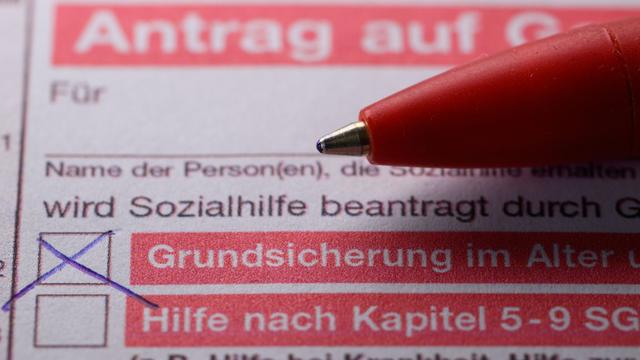
German social assistance spending rises six percent
Translated from German, summarized and contextualized by DistantNews.
At a glance
News
Official statement
Context piece
- Germany's social assistance spending increased by approximately six percent last year, totaling 21.5 billion euros.
- The largest portion of spending, about 55%, went towards basic security for the elderly and benefits for reduced earning capacity.
- Spending on nursing care assistance saw a significant rise of 13.3%, now constituting 27.8% of total social aid.
Germany's expenditure on social assistance rose by roughly six percent in the past year, reaching a net total of 21.5 billion euros, according to the Federal Statistical Office. This increase reflects the growing demand for social support services across the country.
The majority of these funds, approximately 55%, were allocated to basic security for the elderly and benefits for individuals with reduced earning capacity. While these areas received the largest share, their proportion of total social assistance spending decreased for the third consecutive year. Spending in these categories increased by nearly 2.9 percent, amounting to 11.8 billion euros.
In contrast, net spending on nursing care assistance experienced a substantial surge of 13.3 percent, reaching 6 billion euros. This significant rise has increased its share of total social assistance expenditures to 27.8 percent, marking the third consecutive year of growth in this sector.
Additionally, funds allocated for 'help with livelihood' saw a 4.4 percent increase, totaling 1.7 billion euros. However, this category's share of overall social assistance spending also declined for the third year in a row, now standing at 8.0 percent. Another two billion euros were directed towards other forms of assistance, such as help for overcoming particular social difficulties, representing a 6.7 percent increase compared to the previous year.
DistantNews Editorial
Originally published by Die Zeit in German. Translated, summarized, and contextualized by our editorial team with added local perspective. Read our editorial standards.
More Stories



From Our Blog

What Gets Lost (and Found) When News Is Translated

How the Same Story Looks Different in Different Countries

The Critical Role of Diaspora Media in Global News

What Travellers Should Know About Countries with Restricted Press

A Digital Nomad's Guide to Following Local News
