

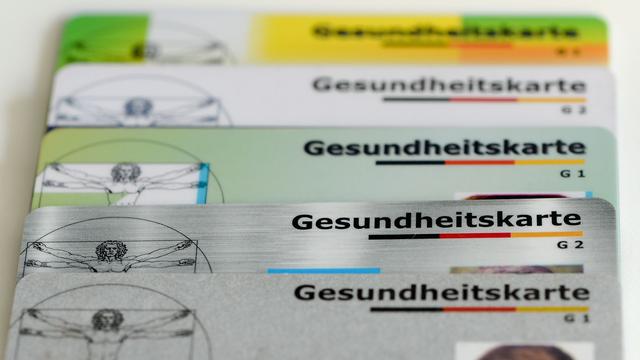

German statutory health insurers post €2.6 billion surplus despite rising costs
Translated from German and summarized by DistantNews. Read the original for the full story.
At a glance
News
Official statement
New plan
- Germany’s 93 statutory health insurers recorded a €2.6 billion surplus in the first half of 2026, mainly because of contribution increases at the start of the year.
- The insurers’ reserves reached about €7.5 billion, restoring the average minimum required level, while spending continued to rise faster than income.
- Hospital treatment costs climbed 9.3%, the sharpest increase among major spending areas, prompting Health Minister Carsten Linnemann to warn that the trend must be stopped.
Germany’s 93 statutory health insurers posted a €2.6 billion surplus in the first half of 2026, but the result offers little comfort about the system’s longer-term finances. The surplus followed contribution increases at the start of the year and mainly served to rebuild reserves.
The insurers ended June with reserves of about €7.5 billion. Across all funds, that restored the legally required minimum average of 0.2 months of expenditure. Yet spending continued to grow substantially faster than income, according to the Federal Health Ministry.
Health Minister Carsten Linnemann said the figures provided no reason to relax. “This development must be stopped to break the contribution-rate spiral,” he said. The governing coalition’s contribution-rate stabilisation law, passed in July, aims to hold the average additional contribution rate at 2.9% next year. It calls for about €19 billion in savings.
Spending restraints for doctors’ practices, hospitals, pharmacies and the pharmaceutical industry are due to take effect at the start of 2027. Patients will also face higher co-payments for some medicines.
From January through June, the insurers collected €188.9 billion and spent €186.3 billion. Spending on medical services rose 7.4%, slightly below the 7.7% increase recorded in the same period a year earlier, but still well above the long-term average. Hospital treatment costs rose 9.3%, or €5.1 billion, making them the biggest driver. Outpatient medical care increased by 6%, or €1.63 billion, while pharmaceutical spending rose 5.1%, or €1.5 billion.
This development must be stopped to break the contribution-rate spiral.
About this summary
Originally published by Die Zeit in German. Translated, summarized, and contextualized automatically by DistantNews, with a note on how the source frames the story. Not individually reviewed before publishing. How this works.
More Stories



From Our Blog

News in Translation: What Gets Lost, and How We Keep the Framing

The Same Story, Different Countries: How Coverage Changes at the Border

Diaspora Media: How Communities Follow News From Home

Traveling Where the Press Is Not Free: How to Read the News There

The Digital Nomad's Guide to Local News
