


German teachers warn of problems from high 2026 graduation grades
Translated from German, summarized and contextualized by DistantNews.
At a glance
News
Sources not specified
Context piece
- The teachers' association is concerned about excessively high "Abitur" (graduation) grades in 2026.
- They warn that these inflated grades could create problems for universities and the job market.
- The association calls for a review of grading standards to ensure fair evaluation.
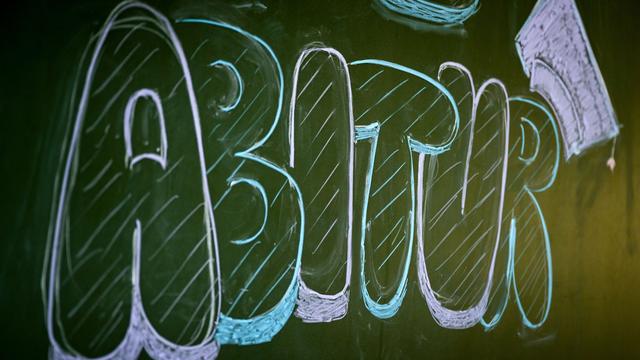
Germany's teachers' association has expressed concern over what they anticipate will be excessively high "Abitur" (high school graduation) grades in 2026. The association warns that these potentially inflated marks could lead to significant problems for universities and the broader job market.
The "Abitur" is a crucial examination in Germany, determining university entrance and often influencing career paths. The teachers' association fears that a trend towards easier grading or a lack of consistent standards could result in graduates possessing grades that do not accurately reflect their actual knowledge and abilities.
This situation could create a disadvantage for students who achieve lower, but perhaps more accurate, grades. Universities might face challenges in differentiating between genuinely high-achieving students and those whose grades are inflated. Similarly, employers may struggle to assess the true qualifications of candidates if the value of the Abitur is diminished.
The association is calling for a review and potential standardization of grading practices to ensure that the Abitur maintains its credibility as a measure of academic achievement. They emphasize the importance of fair evaluation to provide a level playing field for all students and maintain the integrity of the German educational system.
DistantNews Editorial
Originally published by Die Zeit in German. Translated, summarized, and contextualized by our editorial team with added local perspective. Read our editorial standards.
More Stories



From Our Blog

What Gets Lost (and Found) When News Is Translated

How the Same Story Looks Different in Different Countries

The Critical Role of Diaspora Media in Global News

What Travellers Should Know About Countries with Restricted Press

A Digital Nomad's Guide to Following Local News
