

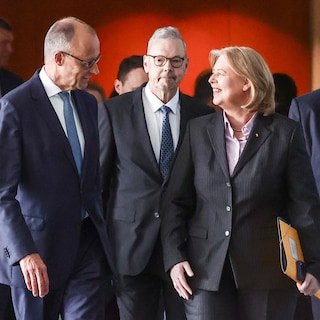
Germans to work longer as retirement age increases
Translated from Dutch, summarized and contextualized by DistantNews.
At a glance
News
Sources not specified
New plan
- Germany is increasing its retirement age, requiring citizens to work longer.
- The decision reflects demographic changes and the need to ensure the sustainability of the pension system.
- This policy change is expected to impact the working lives and retirement plans of many Germans.
Germany is raising the retirement age, compelling its citizens to extend their working lives. This significant policy shift is a direct response to the nation's evolving demographics and the pressing need to secure the long-term financial viability of its pension system.
The decision to push back the age at which individuals can claim their full pension benefits is part of a broader strategy to address the challenges posed by an aging population and a declining birth rate. As fewer young workers support a growing number of retirees, the existing pension framework faces considerable strain.
This increase in the statutory retirement age is anticipated to have a profound effect on the career trajectories and retirement planning of countless Germans. It signifies a move towards a more sustainable model, ensuring that the pension system can continue to provide for future generations, albeit with a longer period of contribution from each individual.
DistantNews Editorial
Originally published by De Volkskrant in Dutch. Translated, summarized, and contextualized by our editorial team with added local perspective. Read our editorial standards.
More Stories
/s3/static.nrc.nl/wp-content/uploads/2026/06/18104044/190626ECO_2033766856_Export.jpg)
/s3/static.nrc.nl/wp-content/uploads/2026/06/17224920/18062vrouw6ECO_2034563550_.jpg)
From Our Blog

What Gets Lost (and Found) When News Is Translated

The Critical Role of Diaspora Media in Global News

What Travellers Should Know About Countries with Restricted Press

A Digital Nomad's Guide to Following Local News

How the Same Story Looks Different in Different Countries
