

Germany: Agency head sees more retirees working, driven by purpose and finances
Translated from German, summarized and contextualized by DistantNews.
At a glance
News
From a news agency
Context piece
- Germany's Federal Employment Agency expects more retirees to continue working for various reasons, including financial need and the desire for continued purpose.
- A recent survey shows 14% of people aged 65-74 worked while receiving a pension, up from 13% the previous year.
- The agency head emphasizes the importance of meaningful work for job satisfaction and suggests a societal shift in how retirement is viewed.
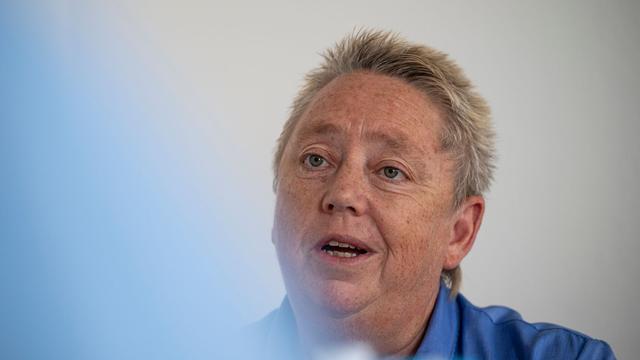
Ulrike Mohrs, the new head of the Federal Employment Agency's regional directorate for Rhineland-Palatinate and Saarland, anticipates a rise in the number of retirees who continue to work. She cites multiple motivations for this trend, stating that some retirees are needed by employers, while others require the income for financial stability. Additionally, many seek to maintain a sense of purpose and quality of life by remaining active and feeling useful.
Many companies have realized for themselves that the young are faster, but the old know the shortcuts.
Recent data from the Federal Statistical Office reveals that 14% of individuals aged 65 to 74 worked while receiving a pension last year, an increase from 13% the year prior. The figures also indicate that working immediately after retirement is more common, with 19% of those aged 65 and 66 employed. This percentage declines with age, dropping to 8% for those between 73 and 74.
They are needed and some need it for themselves, also financially.
Mohrs connects continued employment among those not driven by financial necessity to job satisfaction. She observes that individuals who find meaningful work tend to enjoy it more and less frequently contemplate retirement age. This highlights the significance of empowering younger individuals to find fulfilling careers. "If you do something with joy, if you like doing something, then perhaps you can consider whether you still have to work as much at 65 as you did at 30," Mohrs stated. She suggests that the focus should shift from a definitive retirement at 65 to a more flexible approach, especially given increasing life expectancies.
Some also need it to have a certain quality of life for themselves, in the sense of: I want to be needed and see that I can still achieve something.
Mohrs also calls for a societal reevaluation of retirement. She notes that many are conditioned to view early retirement as a form of success, only to later realize the consequences. "And then you are out and realize what you have done," she said, expressing a desire for a broader societal shift in perspective. At 61, Mohrs herself faced questions about the "risk" of taking on her new leadership role. She remains unfazed, leveraging her 40 years of professional experience and viewing the position as the "crowning achievement" of her career. She believes many companies value the skills of older employees, recognizing that while younger workers may be faster, older ones possess valuable shortcuts and experience.
If you do something with joy, if you like doing something, then perhaps you can consider whether you still have to work as much at 65 as you did at 30.
DistantNews Editorial
Originally published by Die Zeit in German. Translated, summarized, and contextualized by our editorial team with added local perspective. Read our editorial standards.
More Stories



From Our Blog

What Gets Lost (and Found) When News Is Translated

How the Same Story Looks Different in Different Countries

The Critical Role of Diaspora Media in Global News

What Travellers Should Know About Countries with Restricted Press

A Digital Nomad's Guide to Following Local News
