


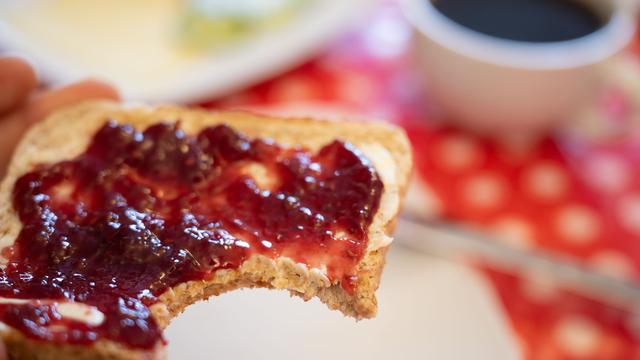
Germany allows 'Marmelade' for non-citrus fruit spreads
Translated from German, summarized and contextualized by DistantNews.
At a glance
News
From a news agency
New plan
- A new German regulation, implementing an EU directive, allows "Marmelade" to be used for fruit spreads beyond citrus fruits.
- Previously, only citrus-based products could be labeled "Marmelade" under EU law, with others requiring the term "Konfitüre."
- The regulation also clarifies honey labeling, requiring the listing of all origin countries and their percentage by weight.
Germany has officially redefined "Marmelade," allowing the term to be used for a wider range of fruit spreads, not just those made from citrus fruits. This change, effective immediately, aligns with a recent EU directive that revises the "breakfast directive."
Under the previous EU regulations, only products derived from citrus fruits could be legally called "Marmelade." All other fruit preserves, such as those made from strawberries or apricots, had to be labeled as "Konfitüre" or "Fruchtaufstrich" (fruit spread). The new rules stipulate that "Marmelade" made from citrus fruits must now be specifically labeled as "Zitrusmarmelade" (citrus marmalade), though the specific fruit name can be used instead.
The historical origin of the stricter "Marmelade" definition is traced back to British influence upon their entry into the European Economic Community. Traditionally, in Britain, "marmalade" exclusively referred to citrus preserves. This linguistic distinction was then enshrined in EU law. A proposal to revert to the broader definition was made in 2017, suggesting it could help "sweeten the bitter aftertaste of Brexit" for EU citizens.
In addition to the "Marmelade" clarification, the new regulation introduces enhanced transparency for honey consumers. When honey originates from multiple countries, all nations must now be listed on the packaging in descending order of their proportion by weight, along with the specific percentage each country contributes. This replaces previous, more general labels like "mixture of honey from EU and non-EU countries."
DistantNews Editorial
Originally published by Die Zeit in German. Translated, summarized, and contextualized by our editorial team with added local perspective. Read our editorial standards.
More Stories



From Our Blog

What Gets Lost (and Found) When News Is Translated

How the Same Story Looks Different in Different Countries

The Critical Role of Diaspora Media in Global News

What Travellers Should Know About Countries with Restricted Press

A Digital Nomad's Guide to Following Local News
