


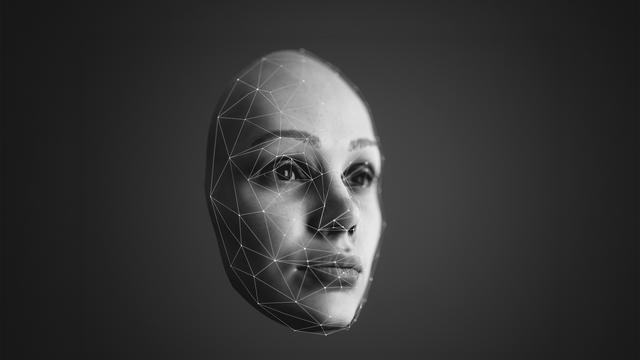
Germany debates expanding police AI powers amid deepfake concerns
Translated from German, summarized and contextualized by DistantNews.
At a glance
Analysis
Named sources
Ongoing story
- Germany's Bundestag is debating new investigative powers for the police, including the potential use of AI for matching profile pictures.
- The discussion comes amid concerns about the increasing use of AI-generated content online, such as deepfakes and fabricated images.
- The debate also touches upon Europe's role in high-performance AI development and the ethical implications of expanding police surveillance capabilities.
German lawmakers are currently engaged in a significant debate within the Bundestag concerning the expansion of police investigative powers, particularly focusing on the integration of artificial intelligence. A key point of discussion is whether law enforcement agencies should be granted the authority to use AI, such as facial recognition technology, to match profile pictures found online with existing databases.
This debate is occurring against a backdrop of widespread concern over the proliferation of AI-generated content. Recent examples, including AI-created videos of FIFA scandals and hyper-realistic images of celebrity events like a supposed Taylor Swift-Travis Kelce wedding officiated by Adam Sandler, highlight the growing challenge of distinguishing authentic media from fabricated content. The ease with which such content can be created and disseminated raises questions about its impact on public discourse and trust.
The discussion also touches upon broader European strategies for AI development. The article questions the necessity for Europe to develop its own high-performance AI models, suggesting a need to consider the continent's position in the global AI landscape. Simultaneously, the potential for AI to enhance police capabilities, as exemplified by the successful tracking of former RAF terrorist Daniela Klette using facial recognition software, is being weighed against privacy concerns.
Critics, including the NGO AlgorithmWatch, are raising alarms about the potential overreach of these expanded digital investigative powers. The core tension lies in balancing the need for effective law enforcement, especially in combating terrorism and serious crime, with the fundamental rights to privacy and data protection in an increasingly digitized world. The outcome of the Bundestag's deliberations will shape the future of policing and digital surveillance in Germany.
DistantNews Editorial
Originally published by Die Zeit in German. Translated, summarized, and contextualized by our editorial team with added local perspective. Read our editorial standards.
More Stories



From Our Blog

What Gets Lost (and Found) When News Is Translated

How the Same Story Looks Different in Different Countries

The Critical Role of Diaspora Media in Global News

What Travellers Should Know About Countries with Restricted Press

A Digital Nomad's Guide to Following Local News
