


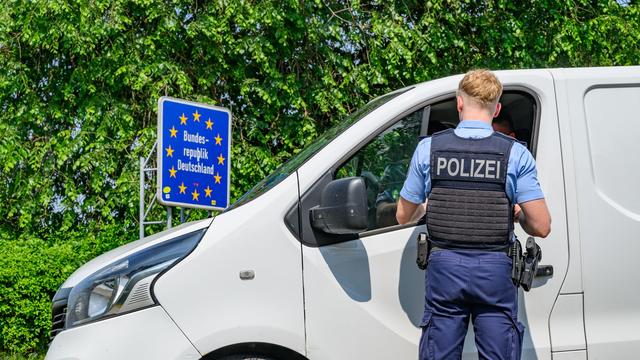
Germany extends border controls until March 2027
Translated from German, summarized and contextualized by DistantNews.
At a glance
News
Official statement
New plan
- Germany will extend stationary border controls at all its external borders until mid-March 2027.
- Interior Minister Alexander Dobrindt announced the extension, citing the need to curb illegal migration.
- The controls, initially imposed in September 2024, have been extended three times despite criticism.
Germany is extending its stationary border controls at all external frontiers until mid-March 2027, according to an official announcement to the EU Commission by Interior Minister Alexander Dobrindt. A ministry spokeswoman confirmed the move, which was first reported by "Bild" newspaper.
Dobrindt stated that developments at Europe's external borders necessitate continued controls to push back illegal migration. He had signaled this extension in late July, following a period when tens of thousands of migrants crossed from Morocco into Spain's Ceuta enclave. Although internal EU borders are generally open, Germany reinstated controls on September 16, 2024. Then-Interior Minister Nancy Faeser ordered the measures to reduce illegal entries.
The regulation has been extended three times already, most recently until mid-September 2026, despite growing criticism. If the EU Commission does not object, the upcoming six-month extension will take effect until March 2027. The decision reflects ongoing concerns about migration management within the bloc.
The developments at the European external borders show: Curbing illegal migration still requires controls.
DistantNews Editorial
Originally published by Die Zeit in German. Translated, summarized, and contextualized by our editorial team with added local perspective. Read our editorial standards.
More Stories



From Our Blog

What Gets Lost (and Found) When News Is Translated

How the Same Story Looks Different in Different Countries

The Critical Role of Diaspora Media in Global News

What Travellers Should Know About Countries with Restricted Press

A Digital Nomad's Guide to Following Local News
