

Germany Proposes Cutting Parental Leave Benefits to 12 Months
Translated from German, summarized and contextualized by DistantNews.
At a glance
News
Official statement
New plan
- Germany's Family Minister Karin Prien plans to shorten parental leave benefits (Elterngeld) from 14 to 12 months.
- To receive the full 12 months, parents must each take at least three months of leave, with six additional months flexibly shared.
- The proposal also aims to increase the minimum and maximum Elterngeld amounts and adjust maternity protection laws.
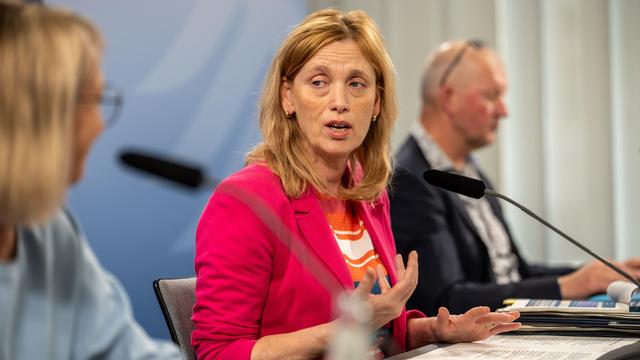
German Family Minister Karin Prien is proposing significant changes to the country's parental leave benefits, known as Elterngeld. The plan, outlined in a draft law, aims to shorten the total benefit period from 14 to 12 months while introducing new rules for how parents can claim the full duration.
Under the proposed legislation, couples would need to ensure that both mothers and fathers take at least three months of parental leave. An additional six months could then be flexibly divided between the parents. This structure is intended to encourage more fathers to take extended leave, a goal reflected in the coalition agreement for 2025 which called for the "further development" of Elterngeld.
The proposal also includes an increase in the minimum and maximum Elterngeld payments. The minimum amount would rise from 300 to 330 euros, and the maximum from 1,800 to 1,900 euros. The income threshold for eligibility would remain at 175,000 euros for births after April 1, 2025.
Three months are reserved for each parent in the future. Six further months can be flexibly divided between the parents.
Furthermore, the draft law seeks to amend the Maternity Protection Act. Currently, certain rules, such as prohibitions on night or holiday work, apply as long as mothers are breastfeeding. The proposed change would limit these employment restrictions to twelve months after childbirth, regardless of breastfeeding status.
These changes are driven by a need to save approximately 500 million euros from Prien's ministry budget next year. While Prien had previously indicated she would not touch the income limit, she had also signaled potential reductions in the benefit duration and greater involvement of fathers. The draft law is currently undergoing inter-ministerial coordination.
With the new regulation, employment restrictions on working hours will be limited to twelve months after childbirth.
DistantNews Editorial
Originally published by Die Zeit in German. Translated, summarized, and contextualized by our editorial team with added local perspective. Read our editorial standards.
More Stories



From Our Blog

What Gets Lost (and Found) When News Is Translated

How the Same Story Looks Different in Different Countries

The Critical Role of Diaspora Media in Global News

What Travellers Should Know About Countries with Restricted Press

A Digital Nomad's Guide to Following Local News
