

Germany proposes doctor's note on first sick day amid union backlash
Translated from Danish, summarized and contextualized by DistantNews.
At a glance
News
Sources not specified
Context piece
- German Chancellor Friedrich Merz's government proposed a reform package requiring employees to obtain a doctor's note on their first day of sick leave.
- The proposal aims to reduce Germany's high rate of sick leave, which has increased significantly since 2018.
- German trade unions criticize the plan, calling it an
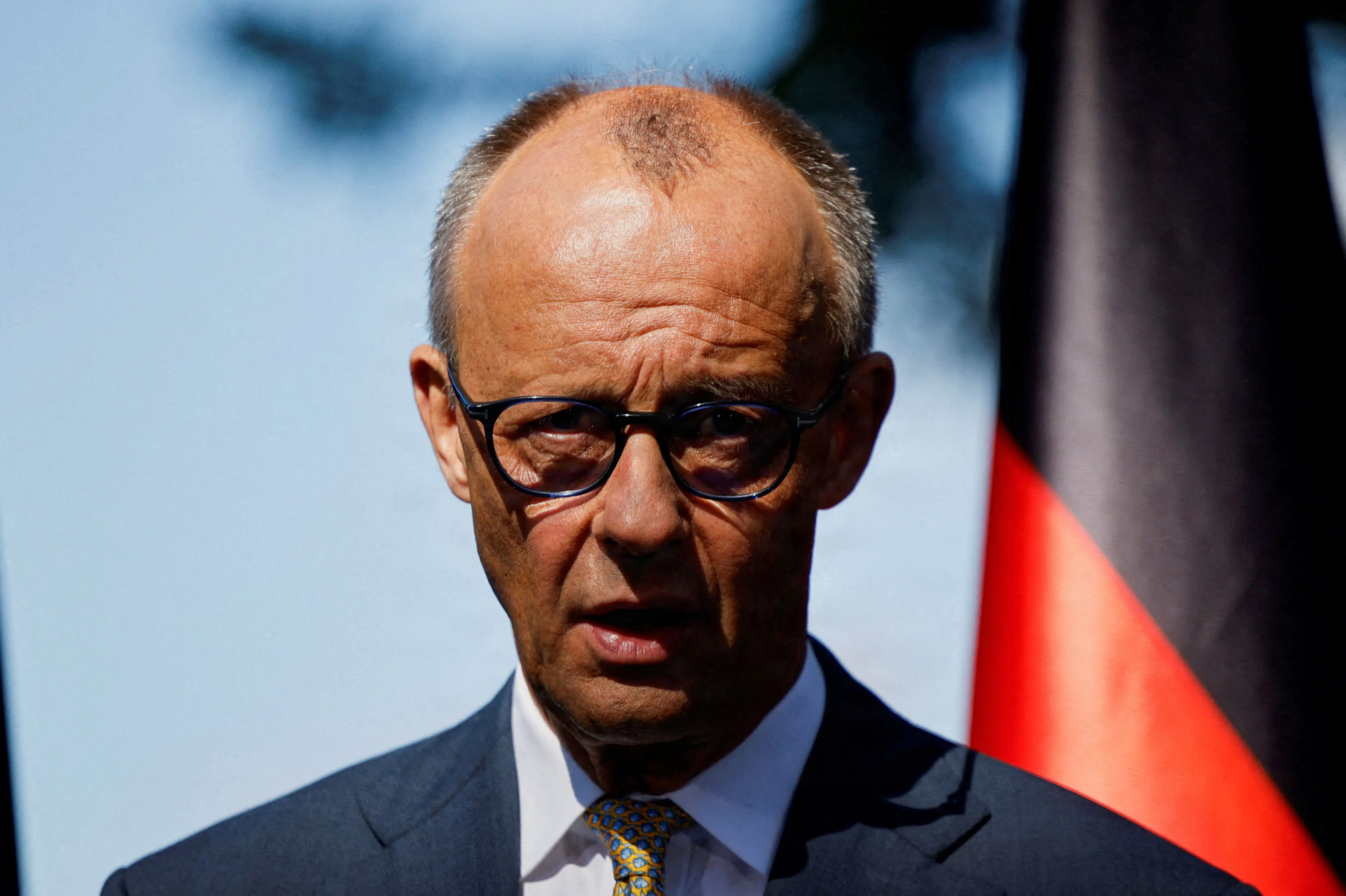
Germany's government is pushing for a significant reform to combat rising sick leave rates, proposing that employees must see a doctor and obtain a medical certificate on their very first day of absence.
Chancellor Friedrich Merz's administration has put forward this measure as part of a broader reform package presented to the Bundestag. The aim is to curb the country's high level of sick leave, which has seen a marked increase. A study earlier this year revealed that Germans took an average of 19.5 sick days annually, a substantial jump from the approximately 13 days per year recorded in 2018. This figure places Germany among European nations with the highest rates of absenteeism.
the governing coalition has fulfilled the employers' 'asocial wish list'
However, the proposed changes have ignited strong opposition from German trade unions. Christiane Benner, chairwoman of IG Metall, accused the governing coalition of fulfilling the "asocial wish list" of employers. She further characterized other planned reforms, particularly those expanding the use of fixed-term employment contracts, as an "attack on employees' rights."
Frank Werneke, a leader at the Verdi service workers' union, echoed these sentiments, stating that "mistrust of employees and an expansion of the madness with fixed-term employment do not create growth." The unions argue that these measures undermine worker protections and fail to address the root causes of workplace issues.
Mistrust of employees and an expansion of the madness with fixed-term employment do not create growth
DistantNews Editorial
Originally published by Berlingske in Danish. Translated, summarized, and contextualized by our editorial team with added local perspective. Read our editorial standards.
More Stories


From Our Blog

What Gets Lost (and Found) When News Is Translated

The Critical Role of Diaspora Media in Global News

What Travellers Should Know About Countries with Restricted Press

A Digital Nomad's Guide to Following Local News

How the Same Story Looks Different in Different Countries
