

Germany Raises Terror Threat Level to 'Elevated' Amid Attack Concerns
Translated from Romanian, summarized and contextualized by DistantNews.
At a glance
News
Named sources
Context piece
- Germany has raised its national terror threat level from "abstract" to "elevated" due to increased intelligence indicating possible attack plans.
- The decision comes as the government prepares to expand intelligence service powers amid internal security concerns.
- The Interior Minister stated that attacks could occur "at any moment," but provided no details on specific threats or targets.
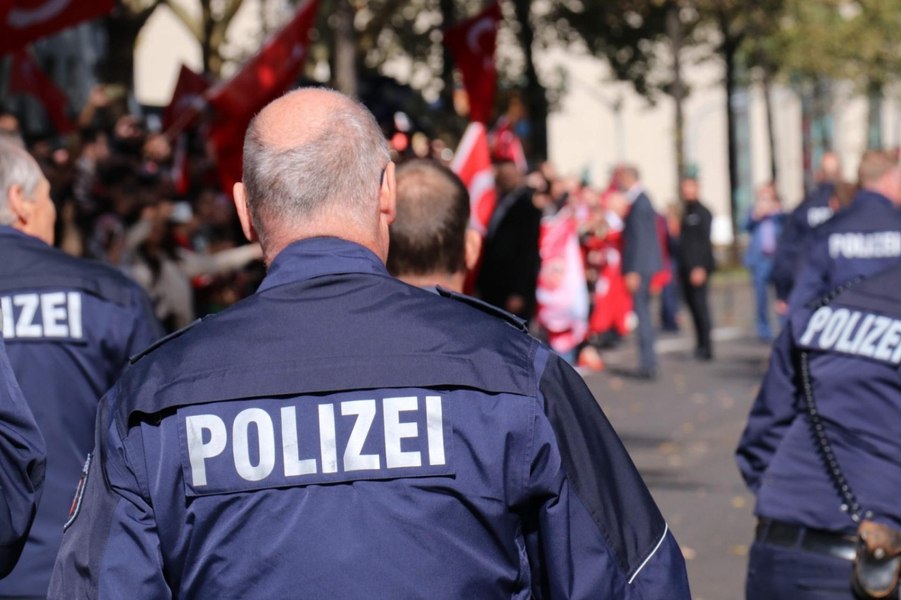
Germany has elevated its national terror threat level from "abstract" to "elevated," signaling a heightened state of alert following intelligence reports of increased indications of potential attack plans. The move, announced by Interior Minister Alexander Dobrindt, reflects growing concerns over internal security.
This reevaluation of the threat level is based on a growing volume of information received from security agencies, Dobrindt explained in an interview. The elevated status means German authorities must now consider the possibility of terrorist attacks occurring at any moment. However, the minister did not offer specific details regarding the nature of the threats, potential targets, or whether information about an imminent attack is available.
The increase in the number of reports and information received has led me to raise the threat level from 'abstract' to 'elevated'.
The announcement coincides with the government's preparations to expand the powers of intelligence services. This legislative push underscores the administration's focus on strengthening national security capabilities in response to perceived risks. While the specific details of the planned intelligence service expansion were not elaborated upon, the context points to a proactive approach to counter-terrorism efforts.
The new assessment means that German authorities must consider the possibility of terrorist attacks occurring at any moment.
DistantNews Editorial
Originally published by Adevărul in Romanian. Translated, summarized, and contextualized by our editorial team with added local perspective. Read our editorial standards.
More Stories


From Our Blog

What Gets Lost (and Found) When News Is Translated

The Critical Role of Diaspora Media in Global News

What Travellers Should Know About Countries with Restricted Press

A Digital Nomad's Guide to Following Local News

How the Same Story Looks Different in Different Countries
