

Germany Records Its Second-Hottest Summer Since Measurements Began
Translated from German and summarized by DistantNews. Read the original for the full story.
At a glance
Newswire
From a news agency
Context piece
- Germany’s summer 2026 had a preliminary average temperature of 19.6°C, making it the second-hottest summer since official records began.
- The country recorded a national high of 41.8°C and about 22 days at or above 30°C.
- The season was unusually dry and sunny, with about 171 millimeters of rain and 779 hours of sunshine.
Germany’s summer 2026 ranked as the country’s second-hottest since official measurements began, according to a preliminary assessment by the German Weather Service.
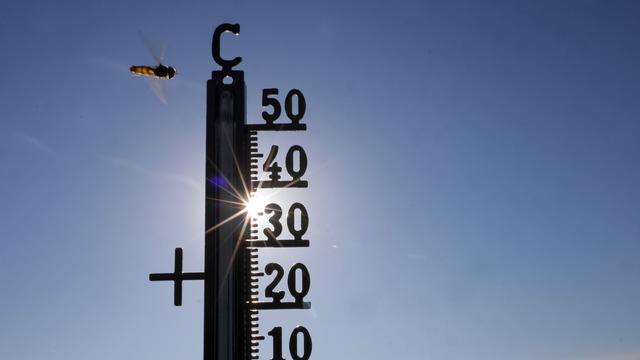
The average temperature reached 19.6°C, just below the 19.7°C recorded during the 2003 summer. The figure stood 3.3°C above the international reference period from 1961 to 1990.
The weather service described the frequency of heat as unprecedented. Germany recorded about 22 days with temperatures of at least 30°C and roughly five days reaching at least 35°C.
Only the summer of the century in 2003, at 19.7°C, is likely to have been warmer.
Möckern-Drewitz in Saxony-Anhalt recorded a provisional national record of 41.8°C on June 27. The following night also produced an extreme reading: temperatures in Kubschütz, Saxony, did not fall below 29.4°C, the highest nighttime minimum ever measured in Germany.
The summer was also notably dry, with around 171 liters of precipitation per square meter. Sunshine reached 779 hours, placing the season among the five sunniest since Germany began its sunshine records in 1951.
The frequency of heat in 2026 was unprecedented.
About this summary
Originally published by Die Zeit in German. Translated, summarized, and contextualized automatically by DistantNews, with a note on how the source frames the story. Not individually reviewed before publishing. How this works.
More Stories

From Our Blog

What Gets Lost (and Found) When News Is Translated

How the Same Story Looks Different in Different Countries

The Critical Role of Diaspora Media in Global News

What Travellers Should Know About Countries with Restricted Press

A Digital Nomad's Guide to Following Local News
