


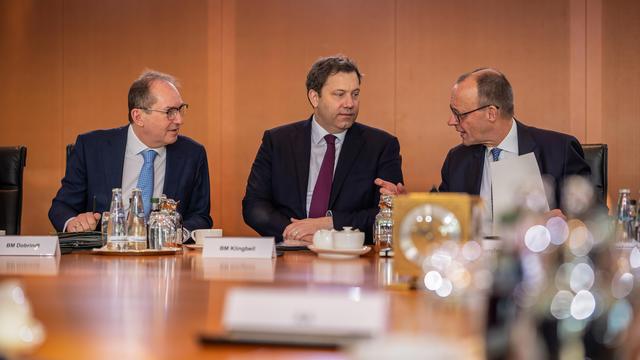
Germany's 2027 Budget Draft Approved, Boosting Defense and Debt
Translated from German, summarized and contextualized by DistantNews.
At a glance
News
Sources not specified
New plan
- Germany's cabinet approved the 2027 budget draft, significantly increasing defense spending and debt.
- The budget allocates 555.4 billion euros, with over 200 billion euros in new debt, citing the Iran war, energy prices, and economic weakness.
- Opposition parties criticized the budget's priorities, particularly regarding climate funds and citizen relief.
Germany's cabinet has approved a 2027 budget draft that significantly boosts defense spending and relies heavily on new debt. The plan, put forth by Finance Minister Lars Klingbeil, allocates 555.4 billion euros, a substantial increase from the previous year's 524.5 billion euros. Over 200 billion euros of this will be financed through new borrowing.
The government justifies the high expenditures by pointing to the effects of the Iran war, rising energy prices, and a sluggish economy. A major focus of the budget is the military, with defense spending slated to reach approximately 109.7 billion euros in the core budget for 2027. This represents a one-third increase compared to 2026. Investments in infrastructure are also set to rise.
The revenues from the CO₂ price are not a self-service shop for the finance minister, but are intended to finance the climate-neutral transformation of the economy, support companies in the transformation, and relieve citizens of the costs of climate protection.
However, the budget proposes cuts in other areas, including subsidies and the Climate and Transformation Fund. Opposition parties have already voiced strong criticism. The Left party's co-chair, Ines Schwerdtner, argued that the budget misplaces priorities, claiming the government is not doing enough to support citizens and the economy. Green party leader Felix Banaszak specifically opposed the planned use of the Climate and Transformation Fund, stating that revenue from CO2 pricing should fund the transition to climate neutrality and support businesses, not serve as a "self-service shop" for the finance minister.
Mathias Middelberg, deputy leader of the CDU/CSU parliamentary group, defended the proposed cuts to state subsidies as necessary. He argued that the state is spending too much overall and should leave more resources for businesses and consumers. The budget is scheduled for parliamentary approval in the fall.
The state is spending too much money overall and must leave more funds to companies, consumers, and the private economy, instead of channeling them through state coffers and programs.
DistantNews Editorial
Originally published by Die Zeit in German. Translated, summarized, and contextualized by our editorial team with added local perspective. Read our editorial standards.
More Stories


From Our Blog

What Gets Lost (and Found) When News Is Translated

How the Same Story Looks Different in Different Countries

The Critical Role of Diaspora Media in Global News

What Travellers Should Know About Countries with Restricted Press

A Digital Nomad's Guide to Following Local News
