


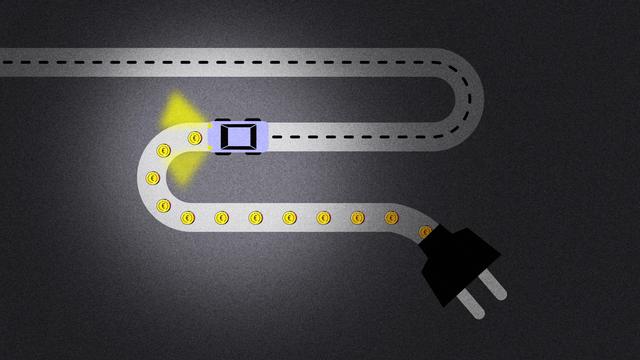
Germany's electric car boom faces a tax revenue challenge
Translated from German, summarized and contextualized by DistantNews.
At a glance
News
Sources not specified
New plan
- Germany's electric mobility sector is poised for a record year in 2026, driven by high fuel prices, new purchase incentives, and increased model availability.
- While electric cars offer community benefits like reduced greenhouse gas emissions and quieter streets, they generate less tax revenue for the state compared to gasoline and diesel vehicles.
- New electric cars are exempt from vehicle tax until at least 2035, impacting state revenue despite subsidies aimed at accelerating the transition to electric vehicles.
Germany's electric vehicle market is set for a landmark year in 2026, with consumers increasingly drawn to electric cars due to soaring fuel prices, new government incentives, and a wider selection of models. The shift promises significant environmental advantages, including lower greenhouse gas emissions and reduced noise pollution on roads.
However, this boom presents a financial challenge for the German state. Electric vehicles generate substantially less revenue than their combustion engine counterparts, particularly through taxes like the vehicle tax (Kfz-Steuer). New electric cars currently enjoy an exemption from this tax until at least 2035, creating a revenue gap that contrasts with the state's efforts to subsidize the transition.
This situation highlights a complex balancing act for policymakers. While promoting electromobility is a key goal for environmental reasons, the state must find ways to compensate for the loss of tax income. The current subsidies, intended to accelerate the adoption of electric vehicles, further exacerbate the revenue shortfall, creating a fiscal dilemma as Germany navigates its path toward sustainable transportation.
DistantNews Editorial
Originally published by Die Zeit in German. Translated, summarized, and contextualized by our editorial team with added local perspective. Read our editorial standards.
More Stories


From Our Blog

What Gets Lost (and Found) When News Is Translated

How the Same Story Looks Different in Different Countries

The Critical Role of Diaspora Media in Global News

What Travellers Should Know About Countries with Restricted Press

A Digital Nomad's Guide to Following Local News
