


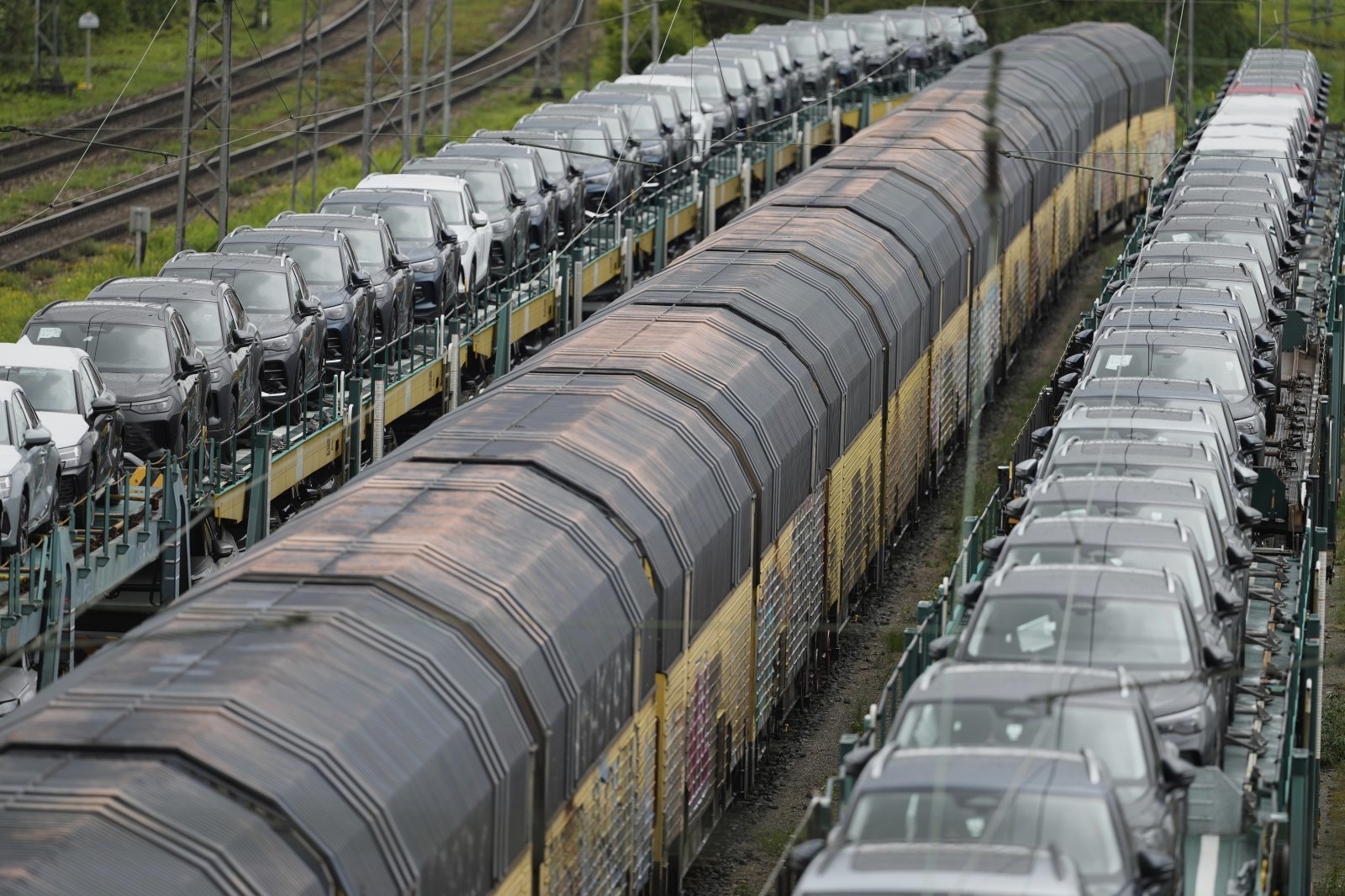
Germany's entire railway network halted by wireless communication failure
Translated from Korean, summarized and contextualized by DistantNews.
At a glance
News
Sources not specified
Outcome reported
- Germany's entire railway network experienced a complete shutdown on the evening of October 23 due to a failure in the train's wireless communication system.
- The disruption affected all trains, causing hundreds of passengers to be stranded at stations for several hours as technicians worked to resolve the issue with the GSM-R digital radio system.
- Deutsche Bahn announced efforts to move all trains to stations to allow passengers to disembark, but a clear cause for the malfunction needed to be identified before repairs could begin, indicating a prolonged resumption of service.
Germany's national railway system ground to a halt on the evening of October 23, plunging the country into widespread travel chaos. The unprecedented shutdown was attributed to a critical failure in the train's wireless communication network, specifically the GSM-R digital radio system, operated by Deutsche Bahn.
Reports from German newspaper Tagesspiegel indicated that the communication outage caused all trains to stop mid-journey. Passengers faced significant delays, with some stranded at stations like Berlin's Westkreuz S-Bahn for an estimated five to six hours. The disruption extended to Berlin's urban rail system, the S-Bahn, halting all services across the city.
Our technical teams are working diligently to resolve the issue.
Authorities advised affected passengers to utilize alternative transportation services operated by the Berlin public transport company BVG. Deutsche Bahn's CEO, Evelyn Palla, stated that the company was working to move all trains to stations to facilitate passenger disembarkation. However, the need to identify the precise cause of the malfunction before repairs could commence suggested that a full resumption of services would take considerable time.
We are currently working to get all trains to stations somehow so that passengers on board can disembark.
DistantNews Editorial
Originally published by Dong-A Ilbo in Korean. Translated, summarized, and contextualized by our editorial team with added local perspective. Read our editorial standards.
More Stories



From Our Blog

What Gets Lost (and Found) When News Is Translated

The Critical Role of Diaspora Media in Global News

What Travellers Should Know About Countries with Restricted Press

A Digital Nomad's Guide to Following Local News

How the Same Story Looks Different in Different Countries
