

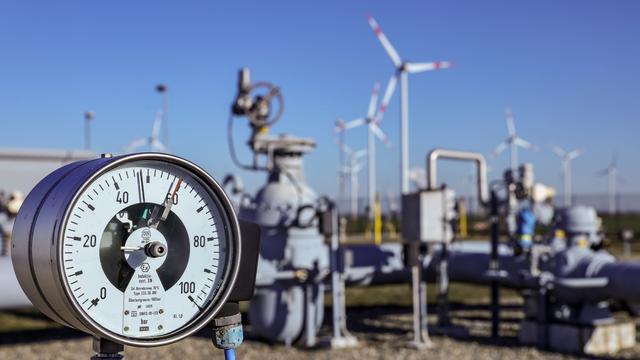

Germany's Heating Law: New Gas Heaters Could Become Costly Trap
Translated from German, summarized and contextualized by DistantNews.
At a glance
News
Sources not specified
New plan
- Germany's new heating law permits the installation of new oil and gas heaters.
- However, these new installations could become a significant financial burden for owners.
- The law aims to regulate heating systems, but potential costs are a major concern.
Germany's recently enacted heating law, intended to guide the transition to more sustainable heating systems, surprisingly permits the installation of new oil and gas heaters. This provision, however, comes with a significant caveat: these new installations may turn into a costly trap for homeowners and landlords.
The law's allowance for new fossil fuel heating systems, while seemingly a compromise, raises concerns about future expenses. As energy regulations evolve and carbon pricing mechanisms are potentially strengthened, owners of these newly installed oil and gas heaters could face substantial costs down the line. This situation creates uncertainty for property owners deciding on heating system upgrades.
For tenants, landlords, and property owners alike, understanding the potential financial implications is crucial. The article aims to guide them through what to expect, highlighting the risks associated with installing new gas or oil heating systems under the current legal framework. The focus is on the potential for these systems to become a long-term financial burden, despite being permitted by the new legislation.
DistantNews Editorial
Originally published by Der Spiegel in German. Translated, summarized, and contextualized by our editorial team with added local perspective. Read our editorial standards.
More Stories


From Our Blog

What Gets Lost (and Found) When News Is Translated

How the Same Story Looks Different in Different Countries

The Critical Role of Diaspora Media in Global News

What Travellers Should Know About Countries with Restricted Press

A Digital Nomad's Guide to Following Local News
