


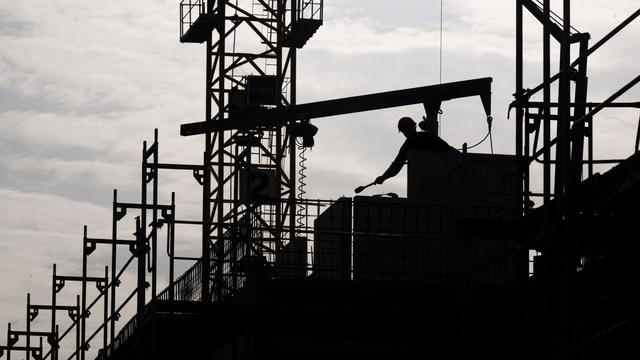
Germany's New Housing Construction Faces Crisis Amid Misplaced Development
Translated from German, summarized and contextualized by DistantNews.
At a glance
News
Sources not specified
Ongoing story
- Germany's construction sector faces a crisis, particularly in new housing projects.
- The industry is building in the wrong locations, leading to a surplus of properties in some areas and shortages in others.
- Rising costs, inflation, and stricter energy efficiency standards are exacerbating the crisis.
Germany's booming construction sector is grappling with a significant crisis, particularly in the realm of new housing. The industry is facing a critical juncture where it is building properties in locations that do not align with demand, creating a mismatch between supply and need.
This imbalance means that while some areas have a surplus of new homes, others are experiencing severe shortages. Factors such as rising construction costs, persistent inflation, and increasingly stringent energy efficiency regulations are intensifying the challenges for developers. These economic pressures are making new projects less viable and contributing to a slowdown in construction activity.
The situation raises concerns about the availability and affordability of housing in Germany. The mismatch in construction locations suggests a need for better planning and market analysis to ensure that new developments meet the actual needs of the population. Without adjustments, the crisis could lead to further market distortions and hinder efforts to address housing deficits in desirable urban centers.
DistantNews Editorial
Originally published by Die Zeit in German. Translated, summarized, and contextualized by our editorial team with added local perspective. Read our editorial standards.
More Stories



From Our Blog

What Gets Lost (and Found) When News Is Translated

How the Same Story Looks Different in Different Countries

The Critical Role of Diaspora Media in Global News

What Travellers Should Know About Countries with Restricted Press

A Digital Nomad's Guide to Following Local News
