


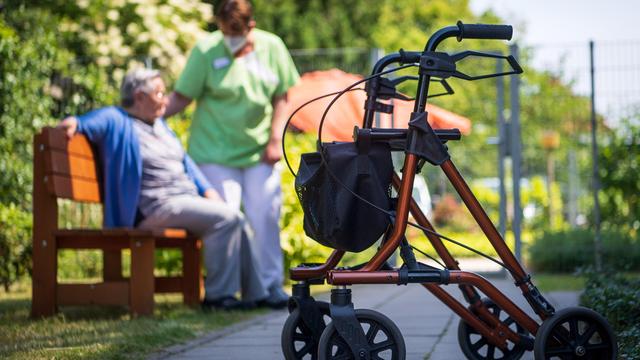
Germany's VdK Urges Early Application for Care Insurance Amidst Regulatory Changes
Translated from German, summarized and contextualized by DistantNews.
At a glance
News
Named sources
New plan
- Germany's Social Association VdK advises individuals to apply for long-term care insurance (Pflegegrad) before new regulations take effect.
- The proposed Pflegeneuordnungsgesetz may introduce stricter requirements for recognizing care needs, potentially making it harder to obtain or increase care grades.
- The VdK urges those needing care to act now while the current, more lenient legal framework is still in place.
The German Social Association VdK is urging individuals to apply for long-term care insurance, known as Pflegegrad, as soon as possible, warning that new regulations could make the process more difficult. The proposed Pflegeneuordnungsgesetz, if enacted, is expected to tighten the criteria for recognizing care needs, particularly impacting Pflegegrade one through three. The VdK recommends that people apply while the current legal framework, considered more lenient, is still in effect. VdK President Verena Bentele emphasized that obtaining a Pflegegrad is a crucial step for individuals wishing to continue living in their own homes. The government aims to stabilize the finances of the long-term care insurance system through this new legislation, which stems from a broader austerity package. With over six million people now requiring care, the number of applicants has significantly increased. Bentele noted that many hesitate to apply due to shame, fear of complex procedures, or a belief that they are not eligible for assistance. She stressed that applying for care is not a stigma but a necessary prerequisite for maintaining independence. For those already receiving a Pflegegrad, the VdK advises careful consideration before applying for an upgrade, as there is a risk of being downgraded under the new system.
an important prerequisite for being able to continue living in your own four walls
DistantNews Editorial
Originally published by Die Zeit in German. Translated, summarized, and contextualized by our editorial team with added local perspective. Read our editorial standards.
More Stories


From Our Blog

What Gets Lost (and Found) When News Is Translated

How the Same Story Looks Different in Different Countries

The Critical Role of Diaspora Media in Global News

What Travellers Should Know About Countries with Restricted Press

A Digital Nomad's Guide to Following Local News
