

Germany seeks EU pay transparency directive changes over bureaucracy fears
Translated from German, summarized and contextualized by DistantNews.
At a glance
News
From a news agency
New plan
- Germany criticizes an upcoming EU directive on pay transparency, citing concerns about bureaucracy.
- The directive aims to reduce pay gaps between men and women by requiring salary information in job postings and greater employee access to company pay structures.
- Despite criticism of the implementation, Germany's minister for women's affairs supports the goal of equal pay.
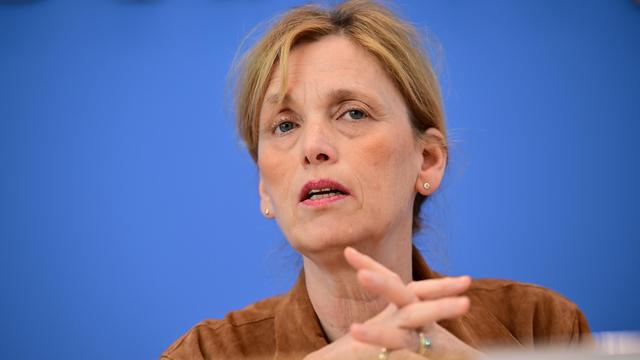
Germany's Federal Minister for Women's Affairs, Karin Prien, has voiced criticism of the European Union's directive on pay transparency, arguing it will create excessive bureaucracy. The directive, which Germany is required to implement into national law by June 7, aims to reduce the gender pay gap by mandating salary information in job advertisements and granting employees more rights to information about company pay structures. Larger companies will also be required to publish pay reports.
Prien stated that the EU directive does not align with the German government's efforts to reduce reporting and disclosure obligations. She expressed hope that Germany can negotiate adjustments with other European partners to achieve a less bureaucratic implementation of the directive. While Prien believes outright abolition of the directive is unlikely, she emphasized the need for a "low-bureaucracy implementation."
We are in talks with our European partner countries and will see if we can achieve something together with the EU Commission.
Despite her concerns about the administrative burden, Prien affirmed her support for the directive's core objective: achieving equal pay for men and women. She noted that gender equality issues seem to be losing importance, which she considers a mistake. Official statistics show that women in Germany earned 16 percent less per hour than men on average last year. While factors like higher part-time employment among women and their concentration in lower-paying sectors contribute to this gap, statistics also indicate that women earned six percent less per hour than men even for comparable work, qualifications, and career paths.
We are in a situation where suddenly all gender equality issues seem to be no longer important. That is a mistake.
DistantNews Editorial
Originally published by Die Zeit in German. Translated, summarized, and contextualized by our editorial team with added local perspective. Read our editorial standards.
More Stories


From Our Blog

What Gets Lost (and Found) When News Is Translated

How the Same Story Looks Different in Different Countries

The Critical Role of Diaspora Media in Global News

What Travellers Should Know About Countries with Restricted Press

A Digital Nomad's Guide to Following Local News
