


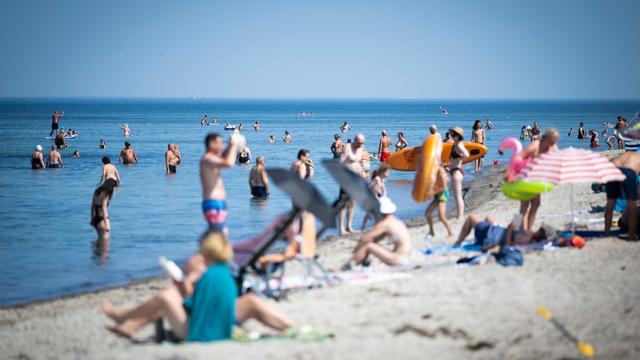
Germany sets new record for overnight stays in first half of 2026
Translated from German, summarized and contextualized by DistantNews.
At a glance
News
Sources not specified
New plan
- Germany set a new record for overnight stays in the first half of 2026, with 223.8 million nights recorded.
- Domestic guests accounted for the majority of bookings, with 187.4 million nights, while international guests contributed 36.4 million.
- Despite the record, the tourism industry faces challenges including rising costs and staff shortages, prompting calls for political support.
Germany achieved a record 223.8 million overnight stays in the first half of 2026, surpassing the previous record from the same period last year by 0.3 percent. Hotels, guesthouses, and other accommodations saw a slight increase in bookings.
Domestic travelers accounted for the bulk of these stays, with 187.4 million nights, a 0.3 percent rise. International visitors also contributed to the growth, with their overnight stays increasing by 0.5 percent to 36.4 million. However, June alone saw a 2.9 percent dip in overnight stays compared to the previous year, with both domestic and international bookings declining.
Many businesses are under enormous pressure. Rising costs, staff shortages, and a growing backlog of investments are significantly burdening the industry.
Despite the overall record, the German Tourism Association (DTV) highlighted significant challenges facing the industry. DTV President Reinhard Meyer pointed to immense pressure on many businesses due to rising costs, a persistent staff shortage, and a growing backlog of investments. Meyer stressed the need for political support, including increased investment in tourism infrastructure, improved conditions for attracting skilled labor, and greater financial backing for municipalities that often fund local tourism initiatives.
Municipalities are financing tourism offers and facilities in many places.
DistantNews Editorial
Originally published by Die Zeit in German. Translated, summarized, and contextualized by our editorial team with added local perspective. Read our editorial standards.
More Stories



From Our Blog

What Gets Lost (and Found) When News Is Translated

How the Same Story Looks Different in Different Countries

The Critical Role of Diaspora Media in Global News

What Travellers Should Know About Countries with Restricted Press

A Digital Nomad's Guide to Following Local News
