

Germany suffers UN Security Council setback, losing bid to Austria and Portugal
Translated from Croatian, summarized and contextualized by DistantNews.
At a glance
News
Sources not specified
Context piece
- Germany was unexpectedly excluded from a non-permanent seat on the UN Security Council, losing to Austria and Portugal.
- The defeat is seen as a bitter disappointment, especially as Germany believed it had secured enough pledges for the required majority.
- Reasons cited include Germany's foreign policy stances, particularly regarding Israel and the US, and potential Russian lobbying efforts.
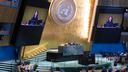
Germany suffered a significant diplomatic setback as it failed to secure a non-permanent seat on the UN Security Council, a position ultimately awarded to Austria and Portugal. The outcome came as a shock to Berlin, which had been confident in its candidacy and believed it had garnered sufficient support for the necessary two-thirds majority in the General Assembly vote. The secret ballot, however, revealed a different reality, leaving German policymakers scrambling to understand the reasons behind the unexpected loss.
This defeat is particularly galling for Chancellor Friedrich Merz, who has been advocating for a more assertive German leadership role on the global stage, including in matters like the war in Ukraine and European reforms. The loss is perceived as a blow to this newly articulated ambition. Government circles suggest that a considerable number of countries gave Germany false assurances, leading to the disappointing result.
Speculation points to Germany's foreign policy decisions as a key factor. Critics, including from within the governing coalition, have highlighted Germany's stance on Israel and its relationship with the US. Adis Ahmetović, foreign policy spokesperson for the SPD, emphasized the importance of consistent adherence to international law and warned against creating an impression of double standards, which could undermine credibility. Germany's position on the Israeli-Palestinian conflict, particularly its reluctance to impose sanctions on Israel due to historical responsibility, has reportedly alienated many nations, especially from the Global South.
Furthermore, reports suggest that Russia may have actively lobbied against Germany's bid, particularly among Global South countries. Germany's likely focus on the war in Ukraine within the Security Council would have been a point of contention for Russia. The situation is compounded by Germany's recent abstention on a vote concerning UNRWA, the UN agency for Palestinian refugees, a move that caused internal government debate and was seen as controversial, especially given domestic political considerations and strong support for Israel from some parties.
International law is the basis of the international order and must apply equally to everyone. Where the impression of double standards is created, credibility suffers.
DistantNews Editorial
Originally published by Večernji List in Croatian. Translated, summarized, and contextualized by our editorial team with added local perspective. Read our editorial standards.
More Stories


From Our Blog

What Gets Lost (and Found) When News Is Translated

The Critical Role of Diaspora Media in Global News

What Travellers Should Know About Countries with Restricted Press

A Digital Nomad's Guide to Following Local News

How the Same Story Looks Different in Different Countries
