


Germany summons Russian ambassador over alleged state-sponsored cyberattacks
Translated from German, summarized and contextualized by DistantNews.
At a glance
News
From a news agency
New plan
- Germany summoned the Russian ambassador in Berlin over alleged Russian state-sponsored cyberattacks targeting Germany and other EU nations.
- The EU and Britain have accused Russian intelligence services of orchestrating large-scale cyber operations, including espionage and infiltration of government networks.
- France also announced plans to summon its ambassador and impose sanctions on Russian individuals and organizations involved in cyber activities.
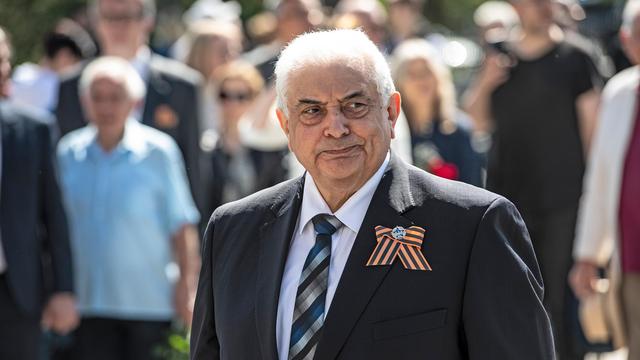
Germany has summoned the Russian ambassador to Berlin, Sergey Netwschajew, in response to accusations that Russian intelligence services are behind multiple large-scale cyberattacks targeting Germany, other EU member states, and Ukraine. The German Foreign Office stated that such "cyberattacks against Germany, EU partners and Ukraine are unacceptable" and that the EU will respond decisively, including with additional sanctions.
"We have summoned the Russian ambassador today and clarified our position once again," the Foreign Office announced, emphasizing a united response from the EU. France has echoed this sentiment, with Foreign Minister Jean-Noël Barrot announcing that Paris will also summon its ambassador to Russia in the coming days. France is set to impose sanctions on nine Russian individuals and four organizations implicated in these cyber activities, citing their involvement in Russian cyberattacks.
The Council of the EU confirmed that the sanctions announced by France are directed at officers of the Russian military intelligence service GRU, "cybercriminals, self-proclaimed hacktivists," and companies contributing to Russian cyber operations. The statement specifically mentioned a center within Russia's domestic intelligence service, the FSB, as being responsible for a "broad spectrum of malicious cyber activities of increasing scope," including infiltrating government networks and sabotaging critical infrastructure.
In addition to France and Germany, the EU Council identified seven other EU countries as targets of these cyber operations, with French Foreign Minister Barrot indicating at least ten countries were affected. The FSB center has allegedly been spying on French government agencies since 2010 and the defense industry since 2025. Britain is also participating in the EU's coordinated action against Russian cyber operations, implementing its own new sanctions against Russia, which affect 24 individuals.
Cyberattacks against Germany, EU partners and Ukraine are unacceptable. We answer them closed, also with additional sanctions. Moreover, we have summoned the Russian ambassador today (and) clarified our position once again.
DistantNews Editorial
Originally published by Die Zeit in German. Translated, summarized, and contextualized by our editorial team with added local perspective. Read our editorial standards.
More Stories



From Our Blog

What Gets Lost (and Found) When News Is Translated

How the Same Story Looks Different in Different Countries

The Critical Role of Diaspora Media in Global News

What Travellers Should Know About Countries with Restricted Press

A Digital Nomad's Guide to Following Local News
