


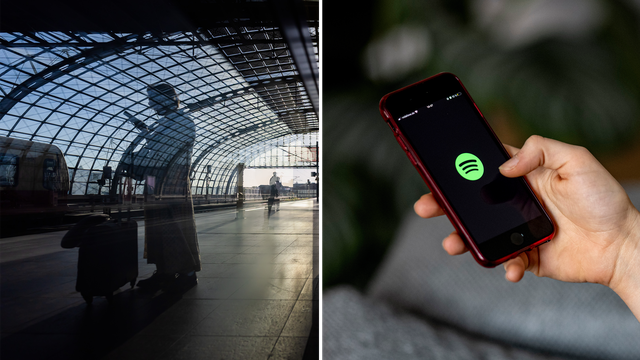
Germany Tightens Rules: Alcohol Bans at Stations, AI Music Labeled on Spotify
Translated from German, summarized and contextualized by DistantNews.
At a glance
News
Sources not specified
New plan
- Germany will implement a gradual alcohol ban at several train stations starting September 1, 2026, with a nationwide rollout by mid-October.
- Spotify will begin labeling AI-generated songs and exclude them from recommendations.
- New regulations will also affect advertising, packaging, and consumer rights regarding warranties and guarantees.
Several changes affecting daily life in Germany are set to take effect in September 2026. A key measure is the phased introduction of alcohol bans at train stations, aiming to improve safety and passenger experience.
Starting September 1, alcohol consumption will be prohibited on platforms and in station halls at Berlin Hauptbahnhof, Berlin-Gesundbrunnen, Kiel, and Braunschweig. This ban excludes licensed catering establishments within the stations. Passengers will still be allowed to carry unopened alcoholic beverages in bags. Security forces and the federal police will enforce the ban, with immediate removal from the premises for violations and potential permanent bans for repeat offenders. The goal is to extend this ban to all 5,400 German train stations by mid-October.
In the digital realm, Spotify will introduce new policies regarding artificial intelligence. The music streaming service will start labeling AI-generated songs and will remove them from its automated recommendation lists. This move addresses growing concerns about the proliferation of AI-created music and its impact on artists.
Additionally, new regulations will tighten rules for advertising and packaging. Consumers will also benefit from updated information regarding warranties and guarantees. Manufacturers of connected products will face new requirements as well. These changes aim to provide clearer information and stronger protections for consumers across various sectors.
DistantNews Editorial
Originally published by Die Zeit in German. Translated, summarized, and contextualized by our editorial team with added local perspective. Read our editorial standards.
More Stories



From Our Blog

What Gets Lost (and Found) When News Is Translated

How the Same Story Looks Different in Different Countries

The Critical Role of Diaspora Media in Global News

What Travellers Should Know About Countries with Restricted Press

A Digital Nomad's Guide to Following Local News
