


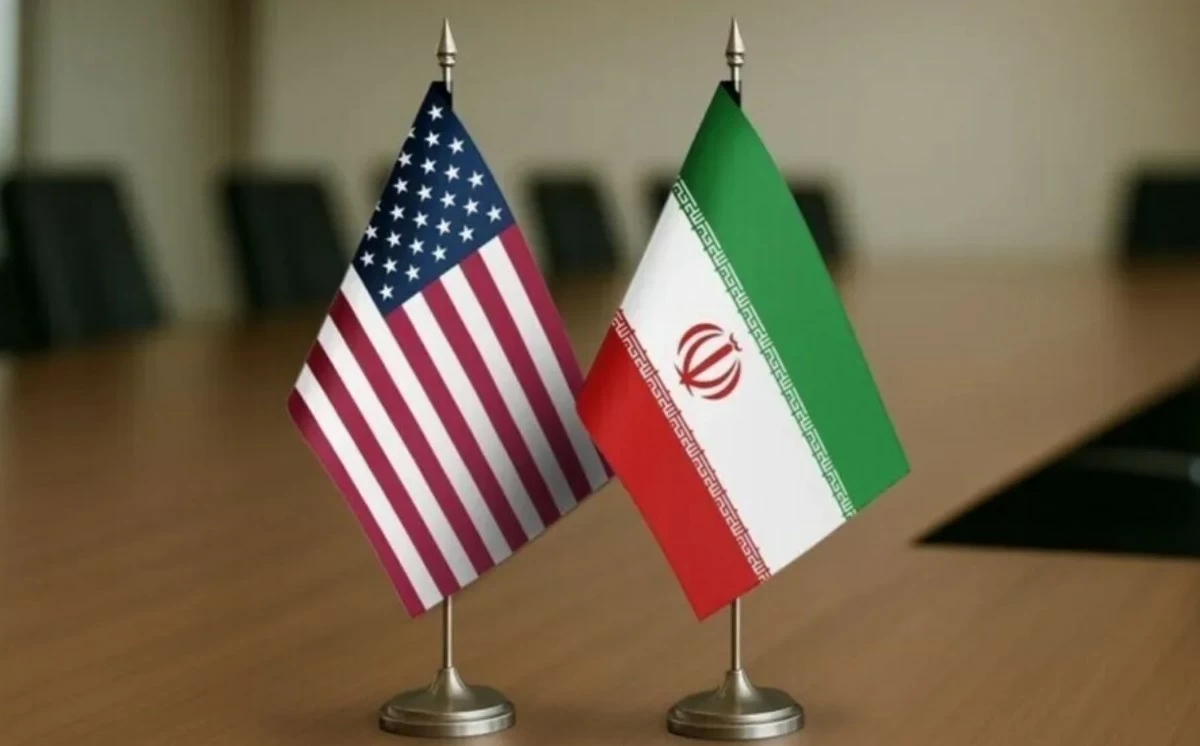
Germany Welcomes US-Iran Truce, Urges Diplomatic Solution on Hormuz and Nuclear Issue
Translated from English, summarized and contextualized by DistantNews.
At a glance
News
Named sources
New plan
- Germany welcomed the US-Iran agreement to halt attacks and resume negotiations, calling it a crucial diplomatic opportunity.
- Berlin urged for a lasting solution ensuring safe passage through the Strait of Hormuz and addressing Iran's nuclear program.
- A US representative expressed skepticism about Iran's commitment to reopening the Strait of Hormuz, questioning the administration's optimism.
Germany has welcomed a recent agreement between the United States and Iran to cease mutual attacks and restart negotiations, viewing it as a significant chance for diplomacy amidst a tense regional climate. The German foreign ministry emphasized that the immediate priority should be establishing a stable solution.
In a statement released on X, Germany stressed the need for guaranteed safe and unrestricted passage through the vital Strait of Hormuz. Additionally, Berlin highlighted the importance of addressing Iran's nuclear program, asserting that it "must never again pose a threat."
it must never again pose a threat.
However, skepticism persists regarding Iran's adherence to the agreement. U.S. Representative Adam Smith, a leading Democrat on the House Armed Services Committee, voiced doubts about Iran's willingness to reopen the Strait of Hormuz. Speaking to reporters, Smith indicated a lack of evidence supporting the administration's optimistic outlook on Iran's compliance with demands for restoring normal shipping through the strategic waterway.
Smith expressed concern not about a lack of official information, but rather an overly confident assumption that Iran would meet U.S. demands. "I doubt that," Smith stated, reflecting a cautious stance on the potential success of the diplomatic breakthrough.
I doubt that.
DistantNews Editorial
Originally published by Arab Times in English. Translated, summarized, and contextualized by our editorial team with added local perspective. Read our editorial standards.
More Stories

From Our Blog

What Gets Lost (and Found) When News Is Translated

The Critical Role of Diaspora Media in Global News

What Travellers Should Know About Countries with Restricted Press

A Digital Nomad's Guide to Following Local News

How the Same Story Looks Different in Different Countries
