

Ghanaian fan's viral 'good luck' ritual during World Cup qualifier win
Translated from Spanish, summarized and contextualized by DistantNews.
At a glance
News
Sources not specified
Context piece
- Ghana secured a 1-0 victory over Panama in a World Cup 2026 qualifier with a last-minute goal.
- A Ghanaian fan's viral ritual of blowing white powder onto the field during the match drew significant online attention.
- While not scientifically proven to influence outcomes, such traditions are noted as part of popular culture in some African regions.
Ghana clinched a crucial 1-0 victory against Panama in their World Cup 2026 qualifier, with Caleb Yirenkyi scoring the decisive goal in the 94th minute. The match, held in Toronto, was a tense affair, characterized by dynamic play but a lack of finishing from both sides until the late stages. Ghana's strategy of speed and quick transitions ultimately proved effective.
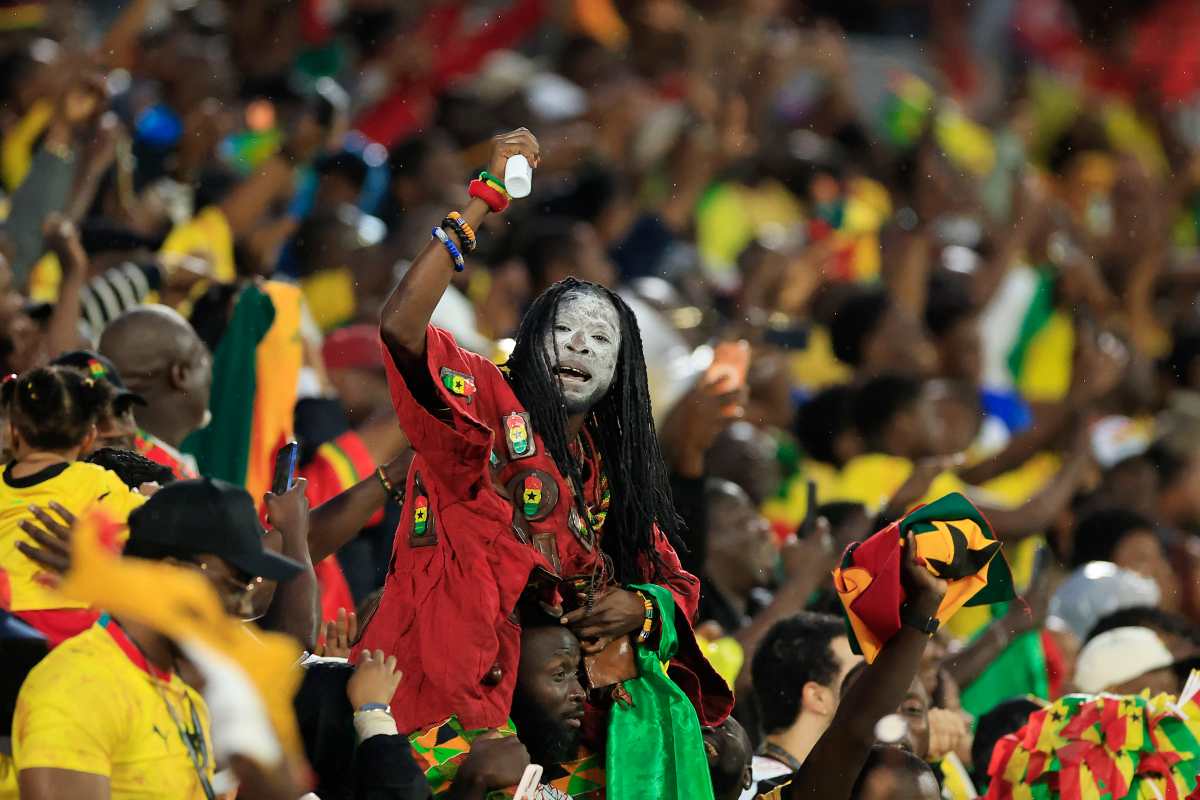
Beyond the on-field action, a particular moment in the stands captured widespread attention and went viral on social media. At the 16th minute, a Ghanaian supporter was seen taking a small container, placing white powder on his palm, and blowing it towards the pitch. This gesture was widely interpreted by online users as a "cábala," or a symbolic act of support for their team.
The images of the ritual circulated rapidly, sparking diverse reactions. Some viewers linked the act to spiritual practices, popularly known as "macumba," often associated with rituals for good luck. The coincidence of the fan's ritual and Ghana's subsequent victory fueled speculation and commentary among social media users.
While there is no scientific evidence that such acts influence sporting events, these traditions are a recognized part of popular culture in many parts of Sub-Saharan Africa. For some fans, these symbolic gestures are a way to express support for their teams, blending cultural beliefs with their passion for football.
DistantNews Editorial
Originally published by Prensa Libre in Spanish. Translated, summarized, and contextualized by our editorial team with added local perspective. Read our editorial standards.
More Stories

From Our Blog

What Gets Lost (and Found) When News Is Translated

The Critical Role of Diaspora Media in Global News

What Travellers Should Know About Countries with Restricted Press

A Digital Nomad's Guide to Following Local News

How the Same Story Looks Different in Different Countries
