


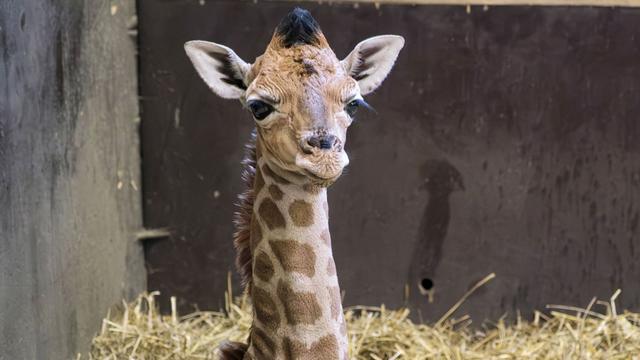
Giraffe Calf Euthanized at Schwerin Zoo Due to Poor Health
Translated from German, summarized and contextualized by DistantNews.
At a glance
News
Official statement
Outcome reported
- A young giraffe calf at the Schwerin Zoo in Germany had to be euthanized due to its deteriorating health.
- The calf, named Kato, was bottle-fed after its mother rejected it and later showed signs of pain in its neck and back.
- A post-mortem examination revealed a fracture in the cervical spine, though the exact cause remains unclear.
The Schwerin Zoo in Germany has euthanized its youngest giraffe calf, named Kato, after it suffered from a worsening health condition. The calf had been a source of concern for weeks due to its declining physical state and unusual posture.
The bull showed a deteriorating general condition and an unusual posture in recent weeks.
Zoo officials reported that various therapeutic approaches were attempted, but none led to any noticeable improvement. In the days leading up to the decision, Kato's condition significantly worsened, and he appeared listless. Following consultations with veterinary authorities, and with no prospect of recovery, the difficult decision was made to euthanize the calf on Thursday.
Various therapy options were attempted, but no visible improvement was shown.
Kato's challenges began shortly after his birth in March. His mother did not allow him to nurse, necessitating bottle-feeding. Approximately two months later, caretakers observed him frequently leaning his head and neck against walls or tree trunks. This behavior suggested he might be experiencing pain in his neck and back region.
In the past few days, his condition worsened again, and the animal appeared listless.
A post-mortem examination conducted after the giraffe's death revealed a fracture in the cervical spine, located at the transition to the thoracic spine. The exact cause of this fracture could not be definitively determined. The zoo suggested possible causes could include an awkward collision during play with other animals or a fall, perhaps during the birthing process where newborns can drop from a significant height. Despite regular monitoring, no specific incident explaining the injury was observed.
In coordination with the veterinary authorities, and due to a lack of prospect for improvement, it was decided to euthanize the bull on Thursday.
DistantNews Editorial
Originally published by Die Zeit in German. Translated, summarized, and contextualized by our editorial team with added local perspective. Read our editorial standards.
More Stories



From Our Blog

What Gets Lost (and Found) When News Is Translated

How the Same Story Looks Different in Different Countries

The Critical Role of Diaspora Media in Global News

What Travellers Should Know About Countries with Restricted Press

A Digital Nomad's Guide to Following Local News
