


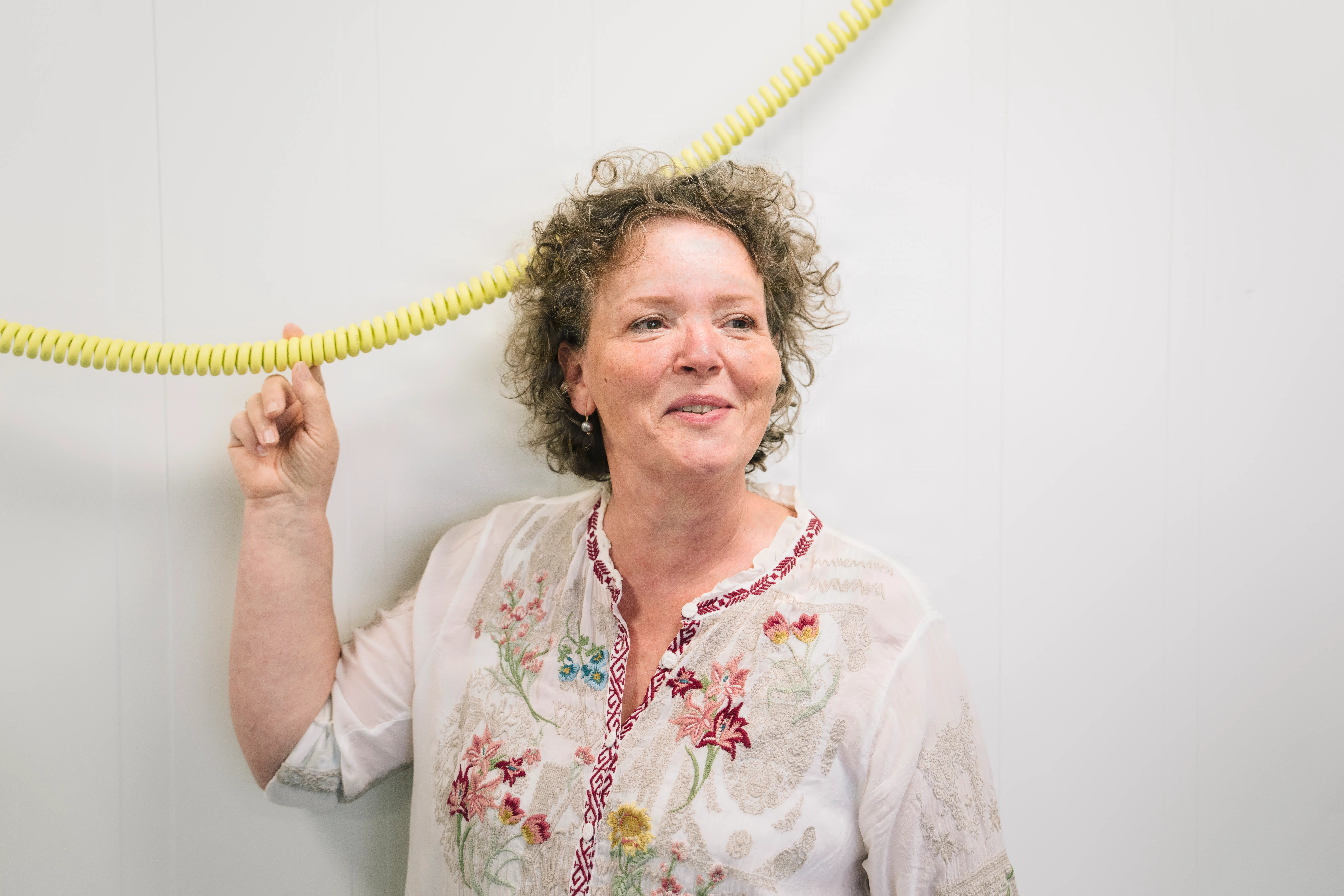
Gitte is one of historically many seniors working full-time: 'It was too early to stop'
Translated from Danish, summarized and contextualized by DistantNews.
At a glance
News
Sources not specified
Context piece
- A growing number of seniors are continuing to work full-time, a trend observed more this year than historically.
- Experts believe economic factors have played a role in encouraging seniors to remain in the workforce.
- The next challenge involves ensuring the future of work accommodates an aging population.
An increasing number of senior citizens are choosing to work full-time, a phenomenon that has reached historically high levels this year. This trend suggests a shift in retirement patterns, with more individuals opting to continue their careers beyond traditional retirement ages.
According to labor market researchers, various economic factors have likely influenced this decision. These "economic levers" have apparently made it more appealing or necessary for seniors to remain employed. The article implies that financial considerations, such as pensions, savings, or the rising cost of living, may be driving this trend.
While the current situation sees more seniors working full-time, the focus is now shifting to the future. Experts emphasize that the next significant task is to adapt the labor market to ensure sustainable and fulfilling work opportunities for an aging population. This involves addressing potential challenges related to age discrimination, workplace flexibility, and the overall structure of future employment.
It was too early to stop.
DistantNews Editorial
Originally published by Berlingske in Danish. Translated, summarized, and contextualized by our editorial team with added local perspective. Read our editorial standards.
More Stories


From Our Blog

What Gets Lost (and Found) When News Is Translated

The Critical Role of Diaspora Media in Global News

What Travellers Should Know About Countries with Restricted Press

A Digital Nomad's Guide to Following Local News

How the Same Story Looks Different in Different Countries
