



‘Give deaf students a fair chance’: Jamaican deaf woman urges change after finding success in US
Translated from English and summarized by DistantNews. Read the original for the full story.
At a glance
In-depth
Named sources
Context piece
- Kaniel McDonald Dodd is calling for qualified classroom interpreters for deaf Jamaican students who want to attend mainstream schools.
- She says attending Mona High without an interpreter placed much of the burden of understanding lessons on her and her mother.
- Extra tutoring later helped improve her English and other grades.
Kaniel McDonald Dodd wants deaf Jamaican students to receive qualified interpreters when they enter the regular school system. Her call comes from personal experience as one of the earliest deaf students integrated into Mona High School.
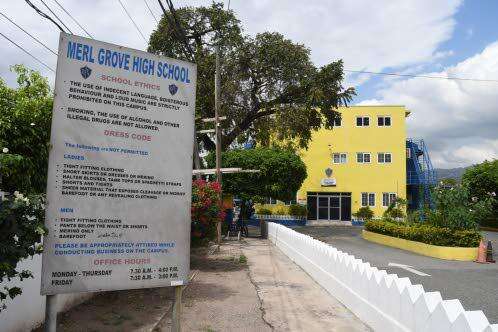
McDonald Dodd joined the school in 1998 through a government programme for students with special needs and exceptional academic ability. She was the third deaf student to attend Mona High, but the first to enter in Grade seven through the Common Entrance examination. She spent one year there before migrating to the United States in 1999.
It was kind of a challenge for me because I was the only deaf student in a hearing class, but my mother used to sit next to me and help me in the evenings. She would have a cassette and do recordings, and she would copy what the teacher said, write it down, and give it to me. So that kind of support I had at home.
She told Observer Online that mainstream schooling proved difficult because she was the only deaf student in her class and had no interpreter. Her mother, Beryl McDonald, helped her at home by recording what teachers said, writing it down and reviewing the lessons with her. Some teachers and classmates also tried to help, while McDonald Dodd relied on lip-reading and written communication.
I tried to read lips. I did not see some things exactly, but I tried to read lips. I tried to communicate with my classmates by writing. Some of them helped me, and I tried to follow a list and instructions that the teacher gave me.
Language added another obstacle because sign language was her first language and she was still developing her English. “By the middle of the term, I failed English,” she recalled. Her mother then sought after-school tutoring at the Lister Mair Gilby School for the Deaf in Papine. By June, McDonald Dodd said her grades had improved in English and in her other subjects.
Her mother said she chose mainstream education because Kaniel’s academic level exceeded what the specialised school was offering. McDonald Dodd’s experience now informs her demand that deaf students receive the support they need to participate and excel in regular classrooms.
By the middle of the term, I failed English.
About this summary
Originally published by Jamaica Observer in English. Translated, summarized, and contextualized automatically by DistantNews, with a note on how the source frames the story. Not individually reviewed before publishing. How this works.
More Stories


From Our Blog

News in Translation: What Gets Lost, and How We Keep the Framing

Diaspora Media: How Communities Follow News From Home

Traveling Where the Press Is Not Free: How to Read the News There

The Digital Nomad's Guide to Local News

The Same Story, Different Countries: How Coverage Changes at the Border
