


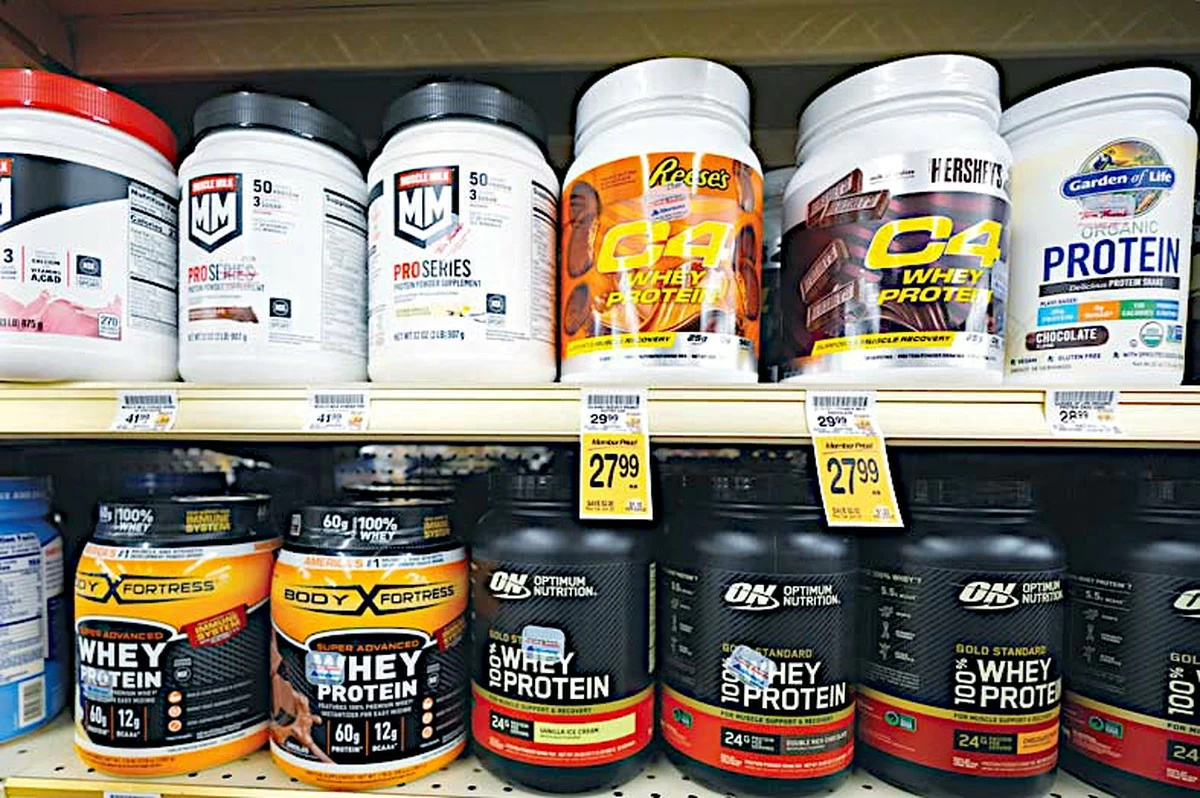
Global demand for high-protein products outstrips whey supply, driving prices up
Translated from English, summarized and contextualized by DistantNews.
At a glance
News
Named sources
Context piece
- Global demand for high-protein products is surging, with food companies adding whey protein to a wide range of items.
- This increased demand is creating shortages of food-grade whey protein and driving prices to record highs.
- Wholesale prices for whey protein concentrate have surged dramatically, impacting consumer costs for protein powders.
Consumers worldwide are increasingly seeking out high-protein foods, leading food companies to incorporate whey protein into an ever-expanding array of products. From breakfast cereals and Pop-Tarts to potato chips, bagels, tortillas, and even Starbucks drinks, whey protein is being sprinkled in to meet this growing demand. The U.S. supermarket landscape reflects this trend, with the average store now stocking 38,708 products that advertise their protein content, according to NielsenIQ.
However, this eagerness to cater to ingredient-conscious shoppers is straining the supply of food-grade whey protein, pushing prices to unprecedented levels. "Demand is very firm and seemingly outpacing supply for right now," stated Kathleen Wolfley, vice president at Ever.Ag Insights, an agriculture data provider. Wholesale prices for whey protein concentrate began their ascent in 2024, accelerating significantly last year and continuing into the current year.
Whey protein concentrate with 80% protein, commonly used by food manufacturers and supplement companies, is now trading at over $13 per pound in the U.S., a staggering 250% increase from a year ago, according to Ever.Ag. A more refined version, whey protein isolate (90% protein), has seen its price jump by 150% over the same period. This surge is directly affecting consumers, with U.S. prices for whey protein concentrate powder rising by approximately 15% in the past year, while premium whey isolate powder has experienced even steeper increases, as reported by price-tracking firm Datasembly.
The situation is mirrored in Europe, where the average price for 80% whey protein concentrate reached a new record of 26,450 euros ($30,518) per metric ton in late May. This price is more than double that of less than a year prior, according to DCA Market Intelligence. Historically, the U.S. generated substantial amounts of whey protein as a byproduct of cheese production, with excess often exported. However, a domestic shift in consumer preference towards higher protein intake, coupled with strong cheese consumption, means more whey is now retained within the U.S. for food additives and supplements, significantly reducing exports, particularly to China, which saw a 47% drop in U.S. whey protein concentrate and isolate exports from January through [date not specified].
Demand is very firm and seemingly outpacing supply for right now.
DistantNews Editorial
Originally published by Arab Times in English. Translated, summarized, and contextualized by our editorial team with added local perspective. Read our editorial standards.
More Stories



From Our Blog

What Gets Lost (and Found) When News Is Translated

The Critical Role of Diaspora Media in Global News

What Travellers Should Know About Countries with Restricted Press

A Digital Nomad's Guide to Following Local News

How the Same Story Looks Different in Different Countries
