

Global Oil Prices Rebound on Hormuz Tensions, Worsening Inflation Worries
Translated from Korean, summarized and contextualized by DistantNews.
At a glance
News
Sources not specified
Context piece
- International oil prices and the won-dollar exchange rate are rising, posing a threat to price stability in the second half of the year.
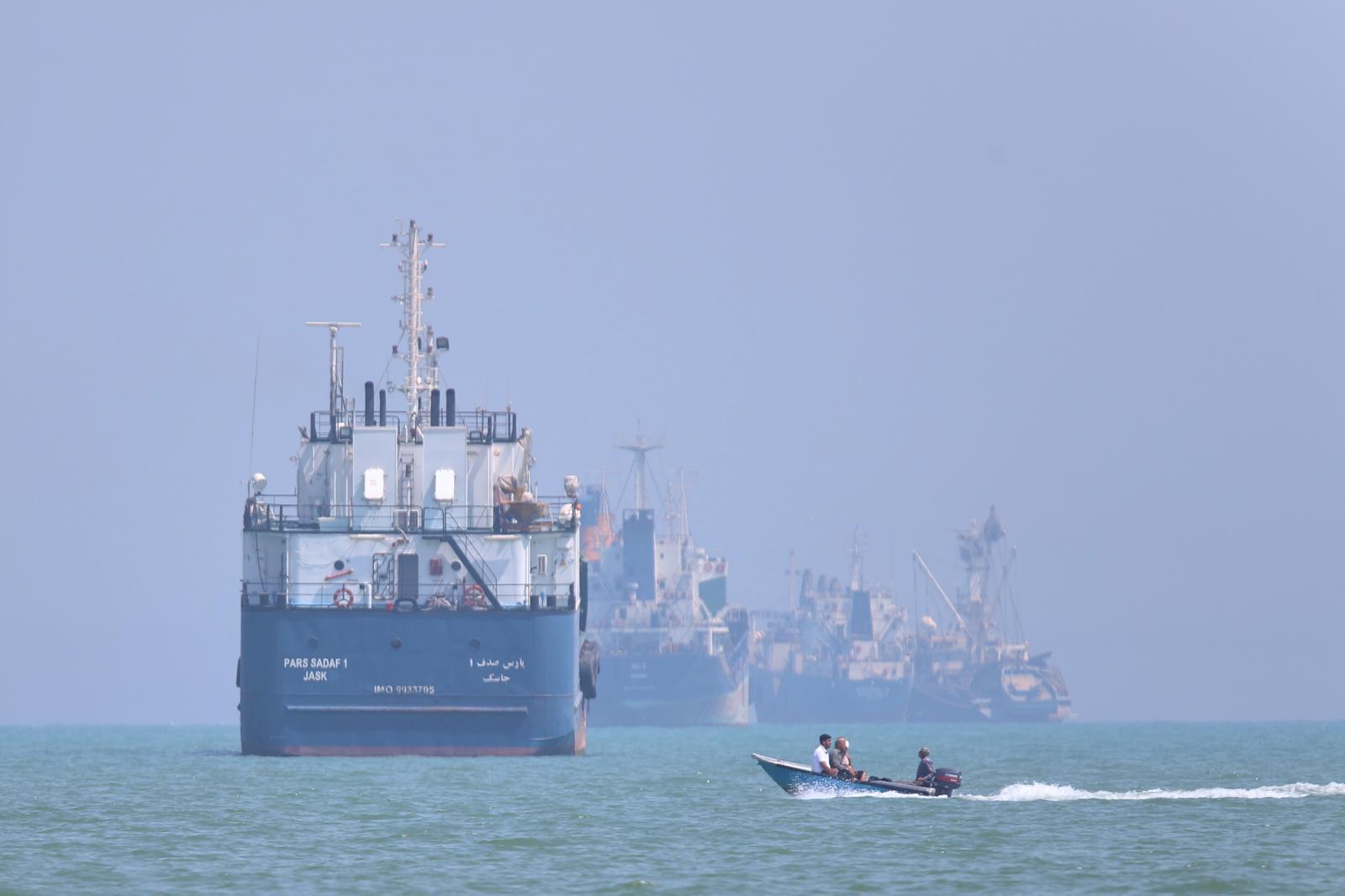
- Brent crude futures briefly surpassed $78 per barrel due to renewed tensions in the Strait of Hormuz, while the won-dollar exchange rate climbed back above 1500 won.
- The government aims to keep consumer price inflation below 3%, but high oil and exchange rates could significantly increase living costs, particularly for food.
International oil prices and the won-dollar exchange rate are emerging as key factors that could destabilize prices in the second half of the year. The South Korean government plans to manage consumer price inflation within 3% from July to December, but concerns are mounting that persistent high oil and exchange rates could significantly burden households, especially with rising food costs.
On July 9, Brent crude futures on London's ICE Futures Exchange traded as high as $78.80 per barrel, the highest since June 19. After dropping to $71.57 on July 1 on expectations of a US-Iran agreement, prices rebounded due to escalating tensions around the Strait of Hormuz. U.S. West Texas Intermediate (WTI) futures, which fell to $68.58 on July 1, were trading around $74 per barrel.
The won-dollar exchange rate also surpassed the 1500 won mark again, closing the week at 1506.1 won per dollar in the Seoul foreign exchange market. According to the Bank of Korea, the average won-dollar exchange rate in June was 1527.9 won, the highest since February 1998, when it reached 1626.8 won in the aftermath of the foreign exchange crisis.
There remains significant upward pressure on energy prices due to the Middle East situation in the second half.
These pressures have already impacted food prices in the first half of the year. Higher import costs due to the strong dollar, coupled with increased fuel costs for fishing boats, agricultural machinery, greenhouses, and international logistics due to high oil prices, have raised production costs. Processed foods, heavily reliant on imported raw materials, have been particularly affected. Data from the National Statistical Office shows that the price of dried pollack, a key processed food item, rose 15.1% in the first half of the year, the largest increase since 2020. Other items like rice (15.1%), ginseng (14.6%), mangoes (13.1%), and potatoes (10.5%) also saw double-digit price increases.
Internationally, South Korea's food price burden is high. According to OECD purchasing power parity (PPP) statistics, the price level of food and non-alcoholic beverages in South Korea was 46% higher than the OECD average last year, ranking second only to Switzerland. South Korea has consistently ranked among the top three highest in the OECD for food price levels for the past three years.
While the government plans measures like discounts on agricultural, livestock, and fishery products and increased supply of key food items, sustained increases in international oil and exchange rates could make price management difficult. Professor Lee Jung-hee of Chung-Ang University's economics department warned that "upward pressure on energy prices due to the Middle East situation remains significant in the second half," adding that "if agricultural damage increases due to summer monsoons and heatwaves, agricultural product-driven price hikes could also become a variable."
If agricultural damage increases due to summer monsoons and heatwaves, agricultural product-driven price hikes could also become a variable.
DistantNews Editorial
Originally published by Dong-A Ilbo in Korean. Translated, summarized, and contextualized by our editorial team with added local perspective. Read our editorial standards.
More Stories


From Our Blog

What Gets Lost (and Found) When News Is Translated

The Critical Role of Diaspora Media in Global News

What Travellers Should Know About Countries with Restricted Press

A Digital Nomad's Guide to Following Local News

How the Same Story Looks Different in Different Countries
