


Global study: One-third of farmland causes two-thirds of biodiversity loss
Translated from English, summarized and contextualized by DistantNews.
At a glance
News
Named sources
Context piece
- A global study found that one-third of agricultural land causes two-thirds of farming-related biodiversity loss and carbon storage loss.
- Beef and dairy production are major drivers of this environmental damage, causing significantly more carbon and biodiversity loss per calorie than plant-based foods.
- Researchers identified geographic hotspots in South America, Africa, Asia, and India where farming overlaps with vital ecosystems, suggesting targeted conservation efforts.
A global study reveals that a significant portion of the world's agricultural land, specifically one-third, is responsible for approximately two-thirds of all biodiversity loss and natural carbon storage loss linked to farming. The research, published in Nature Food and led by scientists from Leiden University, Oxford Martin School, and China Agricultural University, provides a detailed map of agriculture's environmental impact.
The findings highlight that this damage is not evenly distributed. Major environmental "hotspots" have been identified in regions like South America, Central America, sub-Saharan Africa, Southeast Asia, India, and China. These areas are characterized by intensive farming or by the overlap of agriculture with ecosystems naturally rich in biodiversity and carbon storage, such as tropical forests. When these sensitive areas are converted to farmland, both their natural carbon reserves and biodiversity are lost.
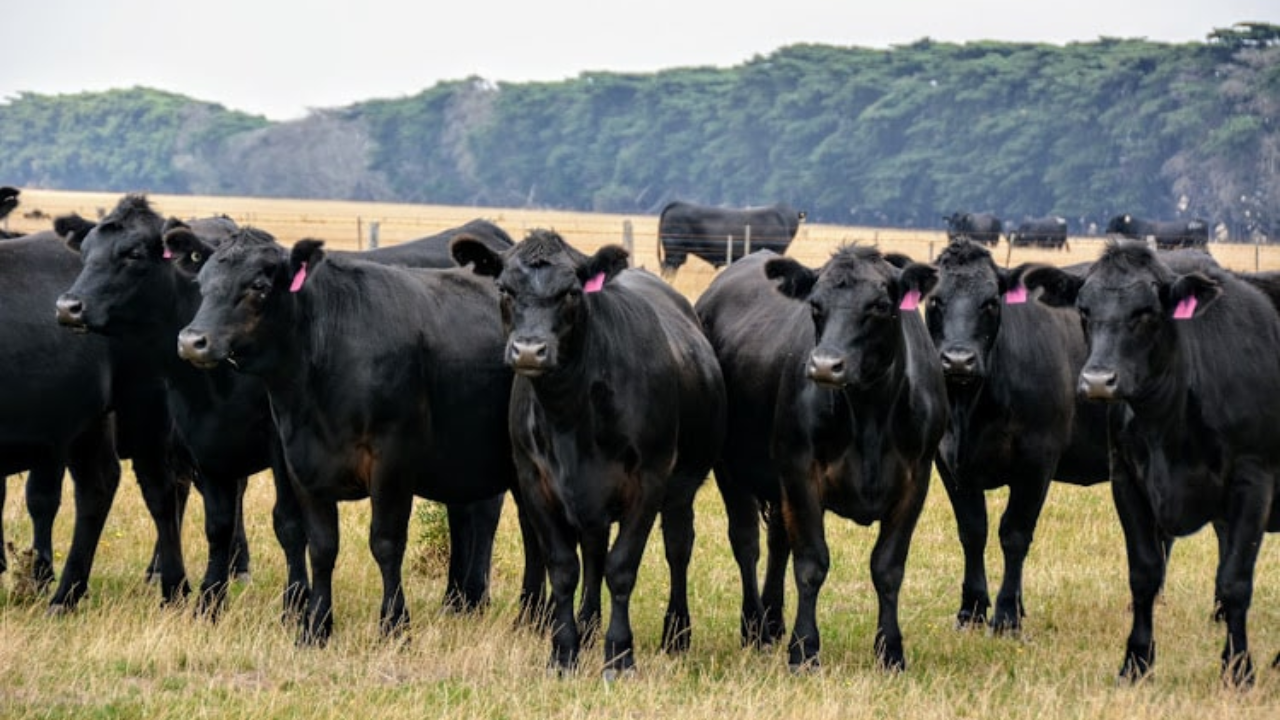
Furthermore, the study points to animal-based foods, particularly beef and dairy, as the primary drivers of this environmental damage. Despite providing a smaller share of global calories, animal products cause a disproportionately larger amount of carbon and biodiversity loss compared to plant-based foods. Cattle farming, in particular, requires vast tracts of land for grazing and for growing feed crops, contributing significantly to the environmental toll.
Researchers suggest that by identifying these high-impact geographic and product-specific hotspots, governments and conservation organizations can more effectively focus their efforts on addressing both climate change and nature protection simultaneously. The study's detailed mapping offers a clearer picture of where interventions can yield the greatest environmental benefits.
These are mainly regions where agriculture is either very intensive or takes place in ecosystems that naturally store large amounts of carbon and are rich in biodiversity, such as tropical forests. When these areas are converted into farmland, both values are lost at the same time.
DistantNews Editorial
Originally published by Times of India in English. Translated, summarized, and contextualized by our editorial team with added local perspective. Read our editorial standards.
More Stories



From Our Blog

What Press Freedom Means for the News You Read

What Gets Lost (and Found) When News Is Translated

The Critical Role of Diaspora Media in Global News

What Travellers Should Know About Countries with Restricted Press

A Digital Nomad's Guide to Following Local News
