


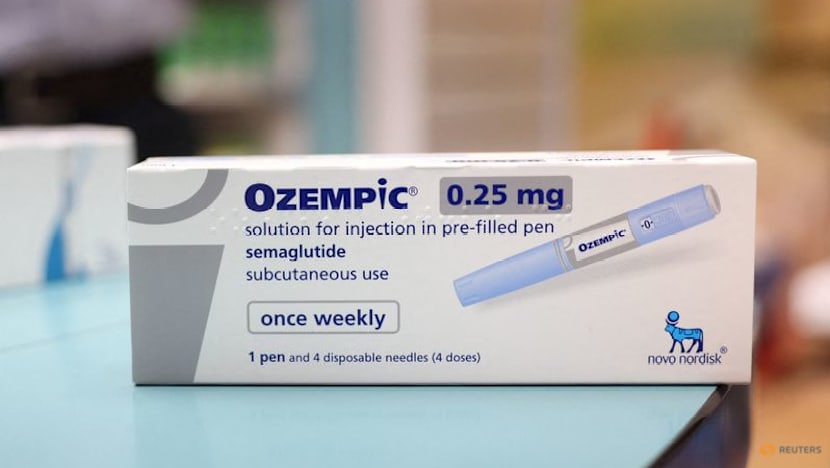
GLP-1 drugs, including Ozempic, may have a beneficial effect across many types of cancer
Summarized and contextualized by DistantNews.
At a glance
News
Sources not specified
New plan
- Popular GLP-1 drugs, used for weight loss and diabetes, may offer protection against various cancers, according to studies presented at the American Society of Clinical Oncology meeting.
- Research involving over 12,000 patients indicated that GLP-1 use was linked to significantly lower odds of cancer metastasis, particularly in lung, breast, colorectal, and liver cancers.
- Studies also suggested reduced cancer incidence, longer survival, and fewer metastases with GLP-1 use across multiple cancer types, including endometrial, bladder, prostate, and blood cancers.
Popular drugs for weight loss and diabetes, known as GLP-1s, may provide a protective effect against numerous types of cancer, according to emerging evidence. Over two dozen studies presented at the American Society of Clinical Oncology meeting in Chicago revealed that patients taking these medications experienced lower cancer risks, reduced disease progression, improved survival rates, and better responses to certain treatments compared to those not using GLP-1s.
The research, which analyzed clinical records and real-world data for drugs like Novo Nordisk's Ozempic and Eli Lilly's Mounjaro, was not designed to pinpoint the exact mechanisms behind this potential anti-cancer effect. However, scientists theorize that GLP-1s might combat cancer by reducing inflammation, regulating insulin signaling, and potentially interacting directly with tumor biology.
Dr. Elizabeth Susan McDonald of the University of Pennsylvania presented findings from a study of 110,000 women, indicating that GLP-1 users were up to 35% less likely to develop breast cancer. While obesity is a known cancer risk factor, McDonald suggested that the anti-inflammatory properties of GLP-1s likely play a role in cancer prevention.
Further analysis of over 12,000 patients showed that GLP-1 use was associated with a substantial decrease in the likelihood of cancers spreading to metastatic stages, especially in lung, breast, colorectal, and liver cancers. Patients with these conditions who took GLP-1 medications were 38% to 50% less likely to experience disease spread compared to those on a different class of diabetes drugs. Similar benefits, including reduced cancer incidence and longer survival, were observed in patients with endometrial, bladder, prostate, and blood cancers.
Chronic inflammation is a fundamental biological pathway involved in the development and progression of many cancers.
DistantNews Editorial
Originally published by CNA. Summarized and contextualized by our editorial team with added local perspective. Read our editorial standards.
More Stories



From Our Blog

What Gets Lost (and Found) When News Is Translated

The Critical Role of Diaspora Media in Global News

What Travellers Should Know About Countries with Restricted Press

A Digital Nomad's Guide to Following Local News

How the Same Story Looks Different in Different Countries
