

Gold Rebounds Despite Fed Pressure, Fueled by Geopolitical Easing
Translated from French, summarized and contextualized by DistantNews.
At a glance
News
Named sources
Context piece
- Gold prices rebounded, recovering some losses as geopolitical tensions eased, particularly between Iran and the United States.
- Discussions between Iran and the U.S. reportedly made satisfactory progress, with both sides agreeing to a 60-day roadmap for a final agreement.
- Despite the geopolitical relief, the prospect of prolonged monetary tightening by the U.S. Federal Reserve continues to temper gold's gains.
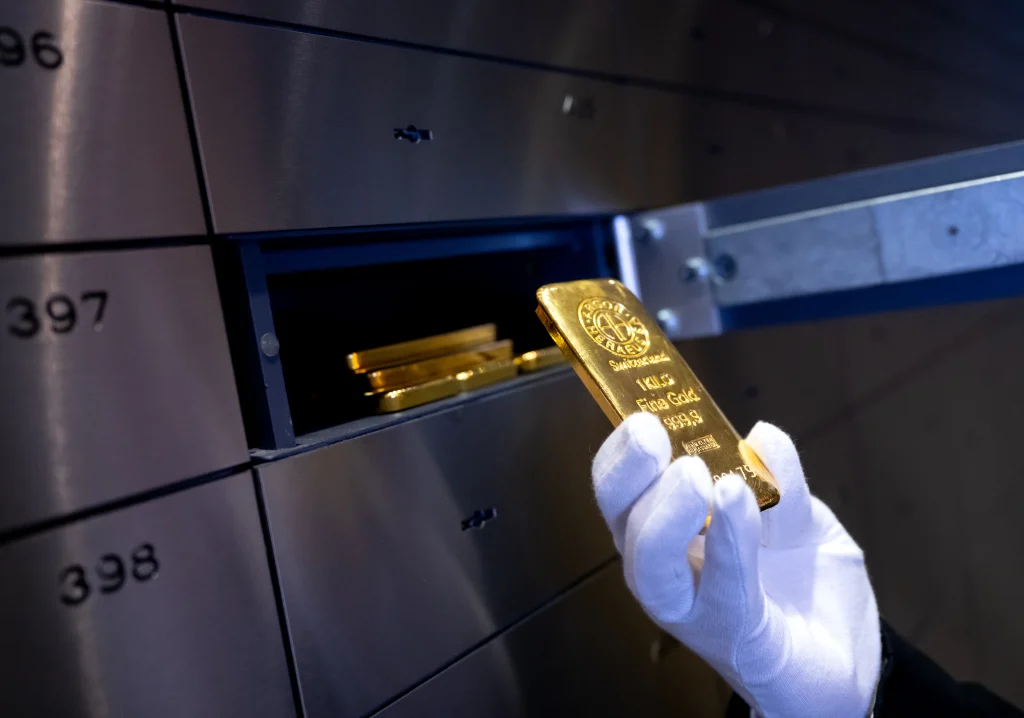
Gold prices saw a cautious rebound, recovering some of the previous session's losses as geopolitical tensions showed signs of easing. The precious metal benefited from a retreat in oil prices, which followed indications of progress in discussions between Iran and the United States. However, the outlook for continued monetary tightening in the U.S. still acts as a brake on gold's ascent.
satisfactory progress
Spot gold rose by 0.9% to $4,197.41 an ounce, after hitting its lowest level since June 11 on Friday. U.S. gold futures for August delivery also saw a slight decline. This recovery occurred as market sentiment improved following the first round of talks between high-ranking U.S. and Iranian officials held in Switzerland. A spokesperson for Iran's Ministry of Foreign Affairs described the negotiations as having made "satisfactory progress."
According to a joint statement released by Qatar and Pakistan, who are mediating the issue, Washington and Tehran have reportedly agreed to develop a 60-day roadmap aimed at reaching a final accord. Analyst Edward Meir of Marex noted a significant shift in the tone of the discussions, stating, "The situation in Geneva seems very different from what it was a few hours ago, when divergences dominated the exchanges. Now, both parties appear to be moving forward, at least in small steps." He advised that markets should continue to react to geopolitical developments but remain aware of the fluid context, suggesting it is better to observe without rushing.
The situation in Geneva seems very different from what it was a few hours ago, when divergences dominated the exchanges. Now, both parties appear to be moving forward, at least in small steps.
Meanwhile, the price of Brent crude oil fell by over 1%, reducing concerns about rising energy costs. Higher oil prices typically fuel inflation and strengthen expectations for interest rate hikes, a scenario unfavorable for gold, which is a non-yielding asset. Concurrently, expectations of further interest rate hikes in the United States continue to weigh on the yellow metal's appeal. Federal Reserve Chair Kevin Warsh emphasized inflationary risks last week without providing clear signals of an imminent easing of monetary policy. Nine of the 19 Federal Reserve officials anticipate a rate hike this year, with CME's FedWatch tool indicating an 89% probability of a rate increase in December, up from 61% before the central bank's last meeting.
Markets should continue to react to geopolitical developments, but the context remains fluid. It is probably better to observe the developments without rushing.
DistantNews Editorial
Originally published by El Watan in French. Translated, summarized, and contextualized by our editorial team with added local perspective. Read our editorial standards.
More Stories

From Our Blog

What Gets Lost (and Found) When News Is Translated

The Critical Role of Diaspora Media in Global News

What Travellers Should Know About Countries with Restricted Press

A Digital Nomad's Guide to Following Local News

How the Same Story Looks Different in Different Countries
