


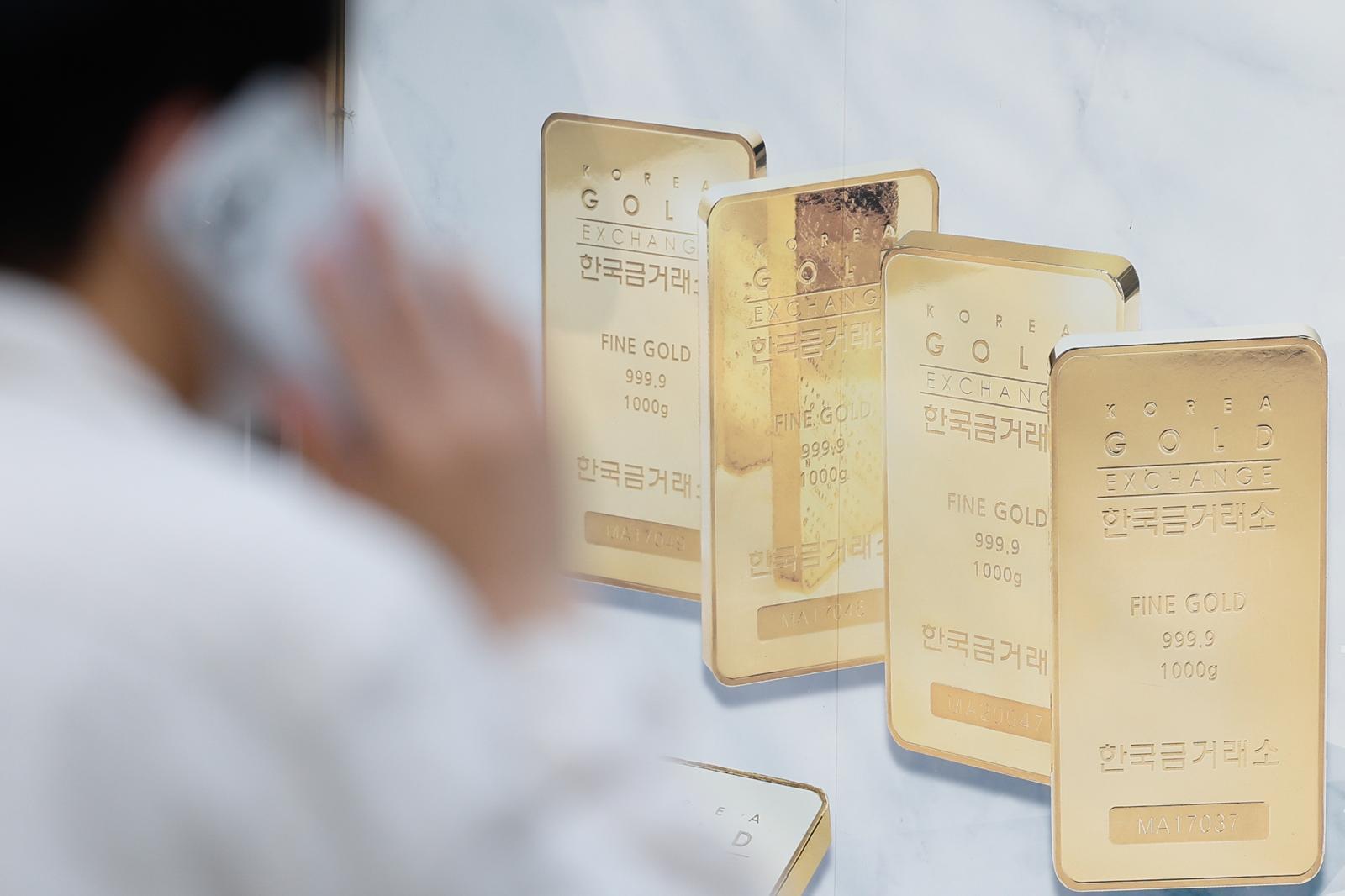
Gold's safe-haven status falters: Prices plunge 25% amid Middle East peace hopes
Translated from Korean, summarized and contextualized by DistantNews.
At a glance
News
Named sources
Context piece
- Gold prices have fallen approximately 25% since early January, dropping below 200,000 won per gram, significantly underperforming as a safe-haven asset.
- This decline is attributed to easing Middle East tensions, which reduced demand for gold as a safe haven, and concerns over potential interest rate hikes by the US Federal Reserve due to rising oil prices.
- While a potential peace agreement between the US and Iran could boost gold prices, analysts predict a recovery is unlikely to reach the sharp gains seen earlier in the year.
Gold, once considered a quintessential safe-haven asset, has seen a dramatic downturn, with prices plummeting nearly 25% since the start of the year. The benchmark KRX gold price closed at 204,000 won on June 12, a stark contrast to its January 29 closing price of 269,810 won. This significant drop has led to substantial losses for investors and a considerable outflow of funds from gold-related exchange-traded funds (ETFs).
Initially, gold prices surged due to inflation fears, geopolitical instability, and increased central bank purchases. However, the narrative shifted following the escalation of tensions between the US and Iran. Instead of benefiting from the conflict, gold weakened as markets focused on the potential for oil price-driven inflation and the subsequent delay in anticipated interest rate cuts by the US Federal Reserve.
The easing of Middle East tensions and the rollback of international oil prices are expected to create a buying opportunity at low prices.
The rising oil prices, fueled by the conflict in the Strait of Hormuz, increased the burden of interest rates. This dynamic made gold, which offers no interest, less attractive compared to US Treasury yields and a strengthening dollar. The traditional correlation between geopolitical risk and gold price appreciation faltered.
Considering that factors that prompted central banks to buy gold, such as the de-dollarization trend, are still in place, the upward trend in gold prices may continue in the second half of the year.
Market participants are now closely watching for signs of a peace agreement between the US and Iran. Recent statements from US President Donald Trump suggesting a deal is near have led to a drop in international oil prices. Analysts believe that a de-escalation of Middle East tensions could present a buying opportunity for gold, as reduced inflation concerns might lower bond yields and the dollar's strength.
However, a return to the rapid price increases seen at the beginning of the year is considered unlikely. Factors such as a robust US labor market could prolong the Federal Reserve's period of interest rate freezes, tempering expectations for a significant gold price rally in the latter half of the year. Analysts have consequently revised down their gold price forecasts for the third quarter.
Even after the strait normalizes, the probability of the Fed extending its interest rate freeze period due to the robust US labor market has increased.
DistantNews Editorial
Originally published by Dong-A Ilbo in Korean. Translated, summarized, and contextualized by our editorial team with added local perspective. Read our editorial standards.
More Stories


From Our Blog

What Gets Lost (and Found) When News Is Translated

The Critical Role of Diaspora Media in Global News

What Travellers Should Know About Countries with Restricted Press

A Digital Nomad's Guide to Following Local News

How the Same Story Looks Different in Different Countries
