

Golden ginkgos light up Buenos Aires as autumn ends
Translated from Spanish, summarized and contextualized by DistantNews.
At a glance
News
Official statement
Context piece
- Ginkgo trees in Buenos Aires are displaying vibrant yellow foliage as autumn ends.
- The city has approximately 750 registered ginkgo trees, an ancient species known as a "living fossil."
- Notable locations to view the trees include Recoleta Cemetery and Jorge Newbery Avenue, with some trees in Plaza República de Chile honoring victims of state terrorism.
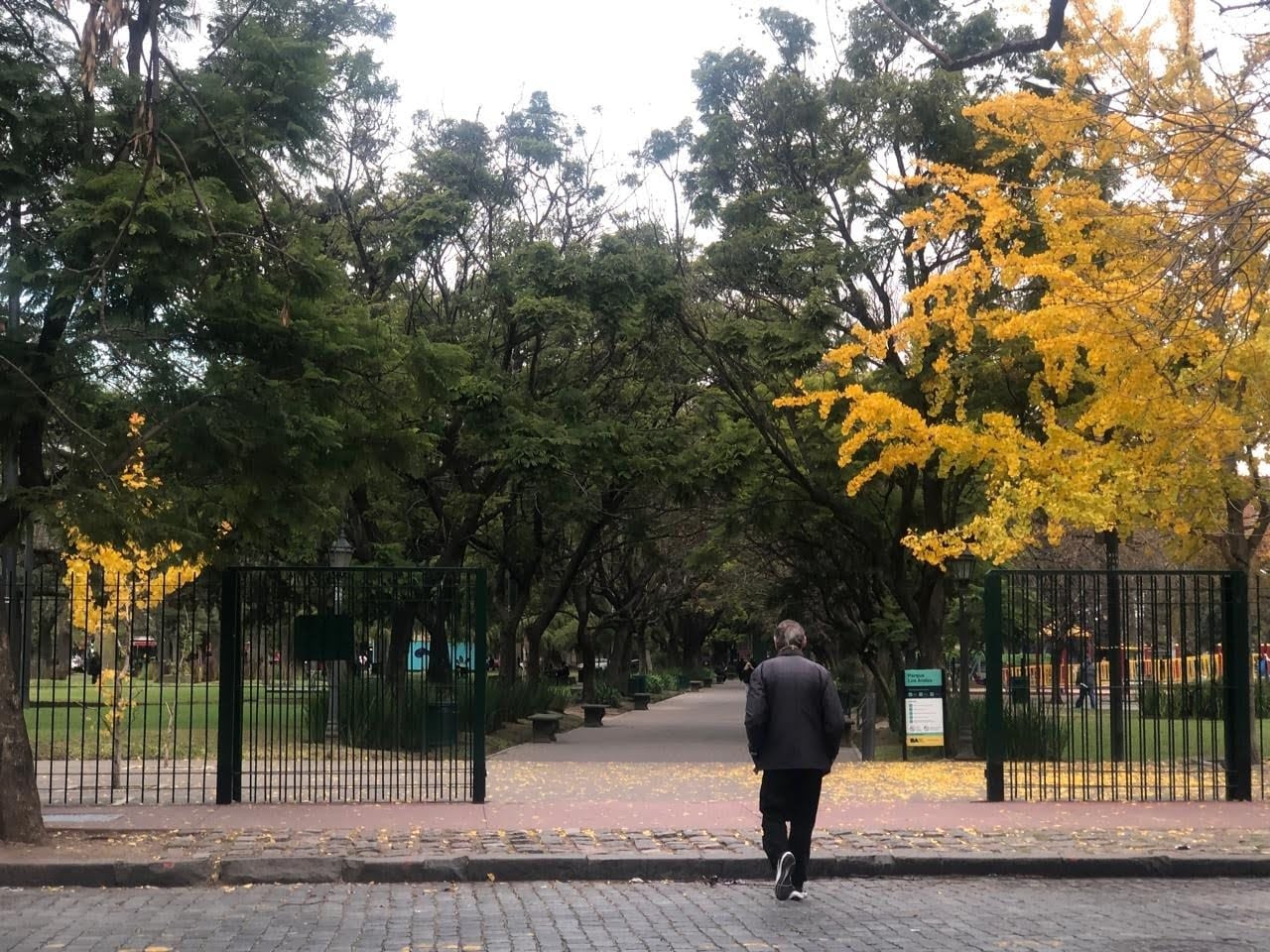
As autumn hues fade across Buenos Aires, the ginkgo biloba trees are putting on a spectacular final show, their vibrant yellow leaves creating a striking contrast against the cooling cityscape. These ancient trees, often referred to as "living fossils," are a highlight of urban landscapes before winter arrives.
Buenos Aires is home to around 750 registered ginkgo trees, according to the city government. This species, originating from China, is one of the oldest on the planet, with a history stretching back over 200 million years, predating the dinosaurs. Their distinctive fan-shaped leaves transform from deep green to a brilliant yellow as temperatures drop, a natural process called foliar senescence.
Several iconic spots offer prime viewing opportunities. An avenue of ginkgos along Junín Street, adjacent to the Recoleta Cemetery, forms a picturesque natural corridor, frequently photographed by visitors. Similarly, trees lining Jorge Newbery Avenue, near Chacarita Cemetery, provide a stunning display.
Beyond these prominent locations, ginkgos can be found in various green spaces, including the Japanese Garden, Plaza Sicilia, Plaza Holanda, Parque Paseo de las Américas, and Plaza República de Chile. In the latter, a group of ginkgos designated as notable trees serve as a poignant tribute to victims of Chilean state terrorism, symbolizing resilience and remembrance.
The ginkgo's remarkable resilience was famously demonstrated after the 1945 atomic bombing of Hiroshima, where specimens near the epicenter survived and regrew, becoming symbols of peace. Beyond their ornamental beauty, ginkgos are valued for their longevity and historical medicinal uses in Asian traditions, with modern research focusing on their potential benefits for cognitive function and brain health.
DistantNews Editorial
Originally published by La Nación in Spanish. Translated, summarized, and contextualized by our editorial team with added local perspective. Read our editorial standards.
More Stories



From Our Blog

What Gets Lost (and Found) When News Is Translated

The Critical Role of Diaspora Media in Global News

What Travellers Should Know About Countries with Restricted Press

A Digital Nomad's Guide to Following Local News

How the Same Story Looks Different in Different Countries
