

'Goodbye brother'; relatives bid emotional farewell to Mario and Brenda, victims of Colombia earthquake
Translated from Spanish, summarized and contextualized by DistantNews.
At a glance
News
Sources not specified
Outcome reported
- A couple from Durango, Mexico, Mario Alberto Zapata Verdier and Brenda Eloísa Flores Reyes, have been confirmed dead after a 7.4 magnitude earthquake in Colombia.
- They were reported missing following the earthquake, and their deaths were confirmed by family members and the Mexican president.
- The couple had been married for about a year and were on vacation in Colombia when the earthquake struck, causing their hotel to collapse.
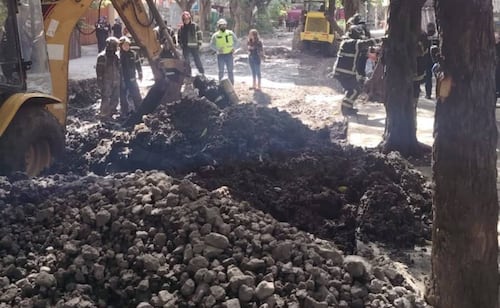
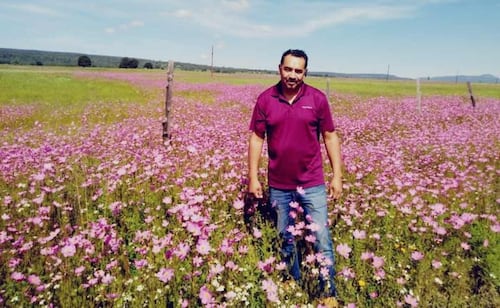
The bodies of Mario Alberto Zapata Verdier, 57, and Brenda Eloísa Flores Reyes, 42, a couple from Durango, Mexico, have been identified as victims of the 7.4 magnitude earthquake that struck Colombia. They had been reported missing after the seismic event, and their deaths were confirmed by family members and Mexican President Claudia Sheinbaum.
Germán Zapata Verdier, Mario Alberto's brother, posted an emotional farewell on social media: "Goodbye brother, I was left with a thousand things to say to you. You were always my role model." The post was met with condolences from friends and acquaintances. Alessa Reyes, Brenda Eloísa's sister, also shared her grief, having previously expressed her determination to find her sister and her hope that she would be found alive.
Mario Alberto and Brenda Eloísa had been married for approximately one year, concluding a relationship of over six years. They were on vacation in Colombia when the earthquake occurred. Tragically, they were staying at the Dibeni hotel, which collapsed as a result of the powerful tremor. Just 15 minutes before the earthquake struck, Mario Alberto had communicated with one of his daughters.
The confirmation of their deaths brings a somber end to the search for the couple, who were among the victims of the devastating earthquake. The event has prompted widespread damage and loss of life, with international attention focused on the recovery and support efforts in the affected regions of Colombia.
DistantNews Editorial
Originally published by El Universal in Spanish. Translated, summarized, and contextualized by our editorial team with added local perspective. Read our editorial standards.
More Stories
From Our Blog

What Press Freedom Means for the News You Read

What Gets Lost (and Found) When News Is Translated

The Critical Role of Diaspora Media in Global News

What Travellers Should Know About Countries with Restricted Press

A Digital Nomad's Guide to Following Local News
