

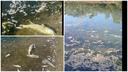

Gospić must avoid becoming a 'black hill' of industrial waste, commentary warns
Translated from Croatian, summarized and contextualized by DistantNews.
At a glance
Analysis
Sources not specified
Context piece
- Residents of Gospić, Croatia, are concerned about potential long-term environmental issues from industrial waste, drawing parallels to a 15-year remediation process in Biljane Donje.
- The article argues that the state owes Gospić residents a minimum of analysis, continuous monitoring, urgent remediation, and accountability for industrial byproducts.
- Historical examples, like the town of Šibenik's decades-long exposure to waste from a former factory, are cited to emphasize the need for transparency and citizen awareness.
Gospić, Croatia, must not become a "black hill" of industrial waste, a situation that could take 15 years to remediate, according to a commentary in Večernji List. The article urges that the state owes its citizens a minimum of analysis, continuous soil and groundwater monitoring, urgent cleanup, and accountability regarding industrial byproducts.
The situation in Gospić is compared to the lengthy process in Biljane Donje, where the problem of dangerous slag took nearly fifteen years to address, involving European court rulings, fines, and a period where citizens lacked answers about what was left near their homes. The commentary insists that Gospić should not face a similar fate.
Historically, towns like Šibenik lived for decades with slag from a former thermal power plant. Generations grew up unaware of the potential dangers lurking in the soil and air from the waste left behind by industry. In such past instances, information was scarcer, public awareness was lower, and institutions often acted as if they owed citizens nothing.
DistantNews Editorial
Originally published by Večernji List in Croatian. Translated, summarized, and contextualized by our editorial team with added local perspective. Read our editorial standards.
More Stories

From Our Blog

What Gets Lost (and Found) When News Is Translated

The Critical Role of Diaspora Media in Global News

What Travellers Should Know About Countries with Restricted Press

A Digital Nomad's Guide to Following Local News

How the Same Story Looks Different in Different Countries
