

Gov't to let farmers, buyers decide milk prices
Summarized and contextualized by DistantNews.
At a glance
News
Official statement
New plan
- Rwanda's government will stop setting farm-gate milk prices, allowing farmers and buyers to negotiate directly.
- This policy change aims to ensure fair prices for dairy farmers and stimulate the sector.
- The move is expected to improve market dynamics and potentially increase milk production and quality.
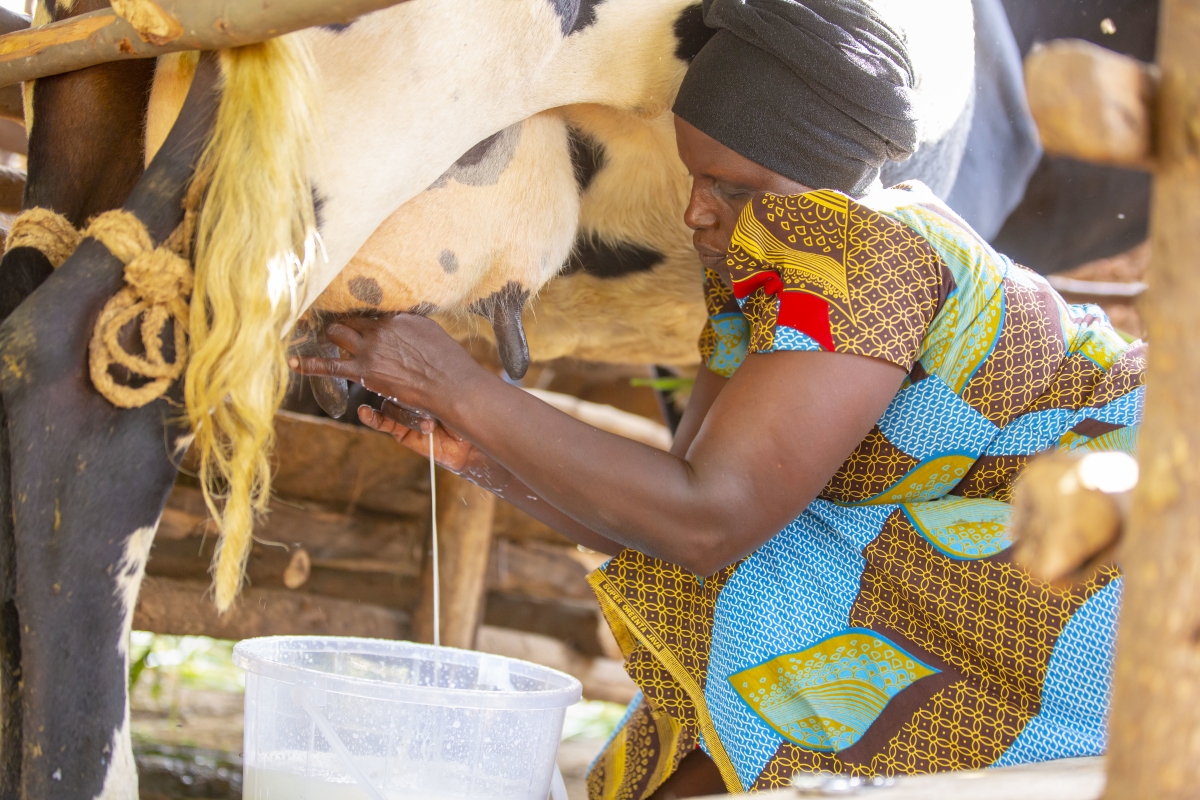
Dairy farmers in Rwanda will soon have the power to negotiate milk prices directly with buyers, as the government announced its decision to cease setting farm-gate prices. This significant policy shift is designed to foster a more market-driven approach within the dairy sector.
Previously, the government intervened in price setting to ensure a baseline income for farmers. However, this new directive signals a move towards a more liberalized market, where supply and demand will play a greater role in determining the value of milk. The intention behind this change is to create a fairer pricing mechanism that reflects actual market conditions.
Officials believe that allowing direct negotiation between farmers and buyers will not only benefit producers by potentially securing better prices but also encourage increased investment and efficiency in the dairy industry. The government anticipates that this will lead to improved milk production and quality across the country, ultimately strengthening the agricultural economy.
DistantNews Editorial
Originally published by The New Times. Summarized and contextualized by our editorial team with added local perspective. Read our editorial standards.
More Stories



From Our Blog

What Gets Lost (and Found) When News Is Translated

The Critical Role of Diaspora Media in Global News

What Travellers Should Know About Countries with Restricted Press

A Digital Nomad's Guide to Following Local News

How the Same Story Looks Different in Different Countries
