


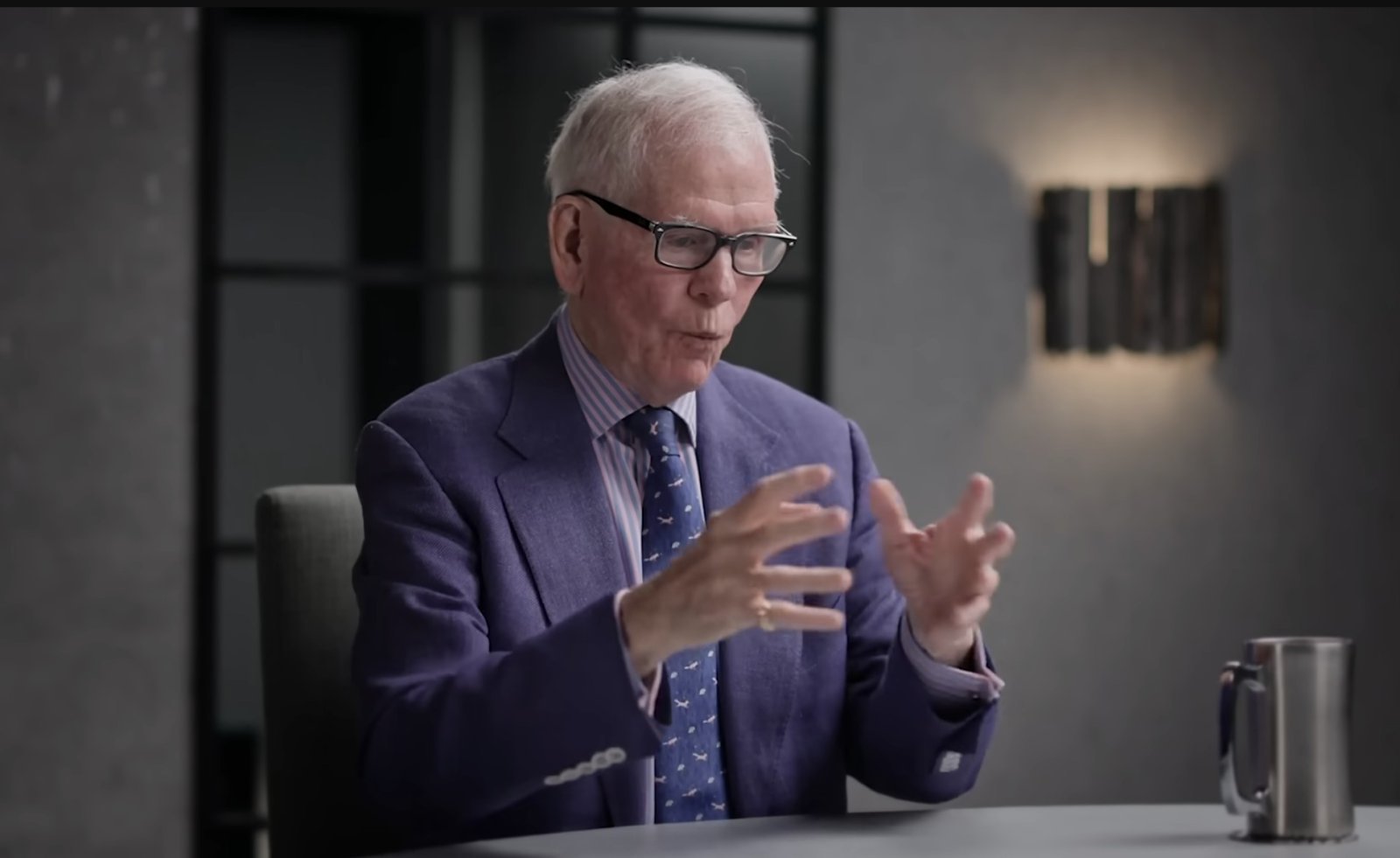
Grantham warns: Sell U.S. stocks, potential 70% drop possible
Translated from Korean, summarized and contextualized by DistantNews.
At a glance
News
Named sources
Context piece
- Jeremy Grantham, co-founder of GMO, warns that the U.S. stock market is in its largest bubble in history, driven by AI enthusiasm.
- He advises investors to sell U.S. stocks, especially tech stocks, predicting a potential decline of up to 70% from current levels.
- Grantham compares the current market situation to the dot-com bubble of 2000, emphasizing the risk associated with highly appreciated stocks.
Jeremy Grantham, a renowned market bear and co-founder of Global Investment Management (GMO), has issued a stark warning: the U.S. stock market is currently experiencing the most significant bubble in its history. Speaking on the podcast "The Diary of a CEO," Grantham pointed to the speculative fervor surrounding artificial intelligence (AI) as a primary driver of this overvaluation.
The stocks that have risen the most are likely to fall the most.
Grantham highlighted the remarkable surge in the S&P 500 over the past five years, noting gains exceeding 70%. He expressed skepticism about the sustainability of this rally, particularly for tech stocks. "The stocks that have risen the most are likely to fall the most," he stated, adding that "the biggest movers, especially those in AI, have historically seen the largest declines."
If you have a large position in U.S. tech stocks, my personal advice is to sell them all.
His advice to investors is unequivocal: "If you have a large position in U.S. tech stocks, my personal advice is to sell them all." He extended this caution to the broader U.S. market, stating, "Do not own U.S. stocks." Grantham anticipates a significant market correction, suggesting that the market could fall by as much as 70% from its current peak to return to long-term trend levels.
Do not own U.S. stocks.
This dire outlook echoes Grantham's previous assessments. In a recent CNBC interview, he described the current U.S. market as "the most expensive market in U.S. history," drawing parallels to the dot-com bubble of 2000. He attributes the current speculative environment to excessive valuations and the AI-driven investment frenzy, which he believes mirrors the conditions seen in past market bubbles.
The market will eventually peak and then revert to the long-term trend level.
DistantNews Editorial
Originally published by Dong-A Ilbo in Korean. Translated, summarized, and contextualized by our editorial team with added local perspective. Read our editorial standards.
More Stories


From Our Blog

What Gets Lost (and Found) When News Is Translated

The Critical Role of Diaspora Media in Global News

What Travellers Should Know About Countries with Restricted Press

A Digital Nomad's Guide to Following Local News

How the Same Story Looks Different in Different Countries
