

Great Referendum for the Regions takes shape for 2027: ex-constituents join offensive against centralism
Translated from Spanish, summarized and contextualized by DistantNews.
At a glance
News
Sources not specified
Context piece
- A proposal for a "Great Referendum for the Regions" aims to put the question of territorial autonomy to a vote in Colombia in 2027.
- Former members of the 1991 Constituent Assembly are backing the initiative, which seeks greater regional decision-making power.
- The referendum proposes a model of autonomous regions with increased fiscal and administrative capacity, focusing on local development decisions.
A significant push for regional autonomy in Colombia is gaining momentum with the proposed "Great Referendum for the Regions," slated for October 2027. This initiative seeks to bring the debate on decentralization and greater regional power to a national vote, aligning with territorial elections.
The proposal has garnered crucial support from former members of the 1991 National Constituent Assembly, who have publicly committed to promoting a national consultation. The core question aims to gauge public support for a model where regions possess enhanced autonomy and the capacity to make decisions regarding their own development, including investments in infrastructure, education, health, and economic growth.
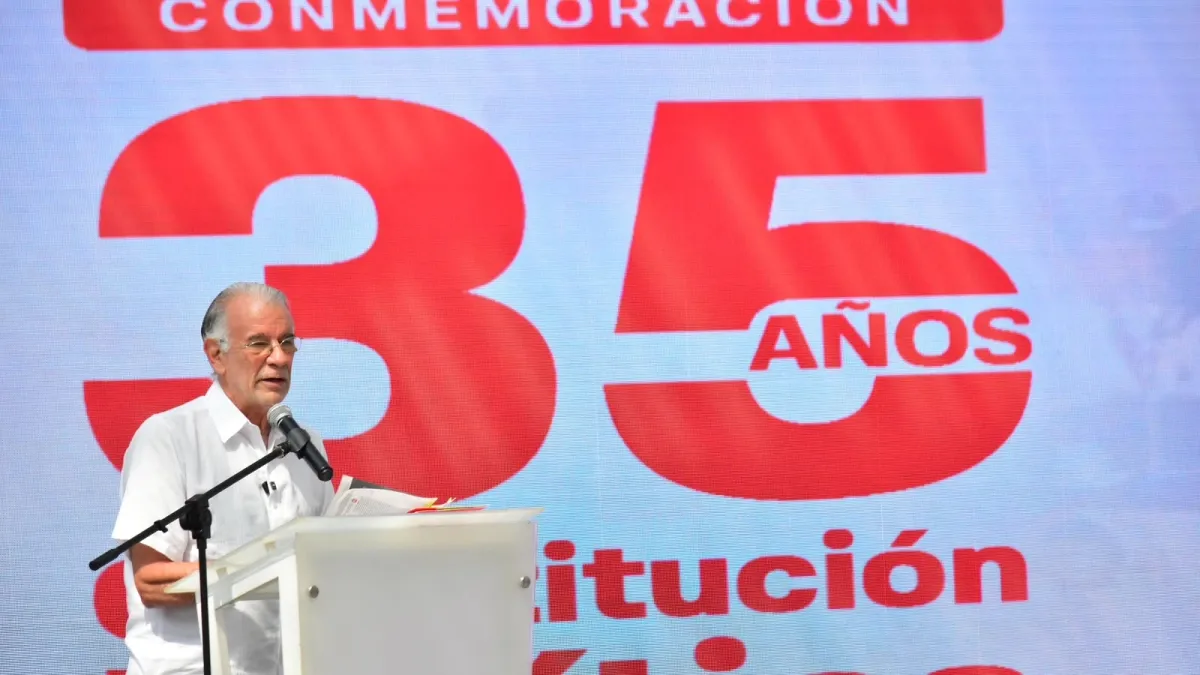
The initiative revives a long-standing discussion about the effective implementation of articles 306 and 307 of the Colombian Constitution, which address regional organization and the potential for establishing regional entities. Governor Eduardo Verano of Atlántico, himself a former constituent, emphasized the need to move beyond the foundational framework of the 1991 Constitution, stating, "This Magna Carta gave us the map, but we have had to clear the path with a machete."
Verano envisions the referendum as a mechanism for Colombians to decide whether they wish to transition to a country composed of autonomous regions. These regions would be empowered to formulate public policies tailored to their unique economic, social, cultural, and geographical characteristics, thereby fostering development closer to the territories and away from the predominant influence of the central government.
This Magna Carta gave us the map, but we have had to clear the path with a machete.
DistantNews Editorial
Originally published by El Tiempo in Spanish. Translated, summarized, and contextualized by our editorial team with added local perspective. Read our editorial standards.
More Stories

From Our Blog

What Gets Lost (and Found) When News Is Translated

The Critical Role of Diaspora Media in Global News

What Travellers Should Know About Countries with Restricted Press

A Digital Nomad's Guide to Following Local News

How the Same Story Looks Different in Different Countries
