

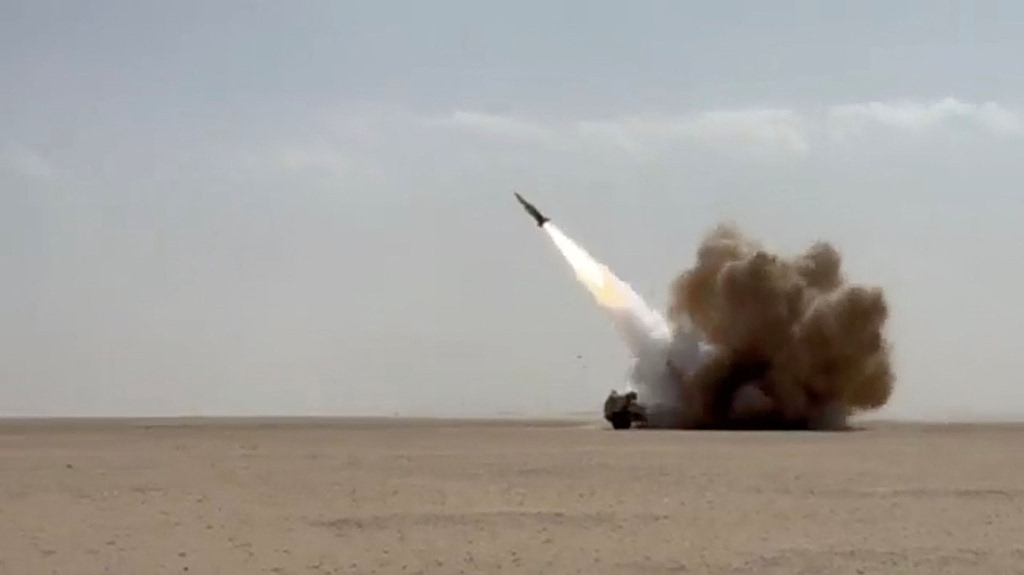

Greece and Israel to Sign Achilles Shield Air Defense Agreement
Translated from Greek and summarized by DistantNews. Read the original for the full story.
At a glance
News
Official statement
New plan
- Greece and Israel will sign an agreement for the €3.6 billion Achilles Shield air defense system at Israel’s Defense Ministry in Tel Aviv.
- The system will combine Israeli technologies including Spike, Barak, Iron Dome, and David’s Sling, with Greece contributing 25% of the production and installation work.
- Greece has also delivered 13 armored vehicles and 10 general-purpose military vehicles, along with spare parts, to Lebanon’s regular army.
Greece and Israel are preparing to give concrete form to the Achilles Shield, a multilayered air defense system expected to strengthen Greece’s military capabilities. The agreement will be signed on Monday at Israel’s Defense Ministry in Tel Aviv by military officials from both countries, without political figures present.
The system will combine Israeli air defense technologies, including Spike and Barak, as well as ground and naval batteries from Iron Dome and David’s Sling. The production and installation cost is estimated at €3.6 billion. Delivery to the Greek armed forces will take place in stages, with full operation expected within 35 months.
Greek participation will account for 25% of the project. The systems are presented as technologies that have demonstrated their effectiveness in the field, both before and after the outbreak of the war in the Middle East.
At the same time, Athens has delivered 13 armored vehicles and 10 general-purpose military vehicles from the Greek army to Lebanon’s regular armed forces, together with a substantial supply of spare parts. The Greek Embassy in Beirut published photographs and video of the handover. The assistance forms part of efforts to support Lebanon’s military as it undergoes institutional and logistical reorganization.
About this summary
Originally published by Kathimerini in Greek. Translated, summarized, and contextualized automatically by DistantNews, with a note on how the source frames the story. Not individually reviewed before publishing. How this works.
More Stories


From Our Blog

What Gets Lost (and Found) When News Is Translated

The Critical Role of Diaspora Media in Global News

What Travellers Should Know About Countries with Restricted Press

A Digital Nomad's Guide to Following Local News

How the Same Story Looks Different in Different Countries
