


“Green Gold”: The Vegetable That Aids Weight Loss and Boosts Immunity
Translated from Spanish, summarized and contextualized by DistantNews.
At a glance
In-depth
Named sources
Context piece
- Leeks, a versatile vegetable related to onions and garlic, have been used for centuries as food and natural remedies.
- Rich in vitamins, antioxidants, fiber, and folate, leeks offer benefits like supporting heart health and aiding digestion.
- Their low-calorie count and mild, sweet flavor make them adaptable to various dishes, from soups to main courses.
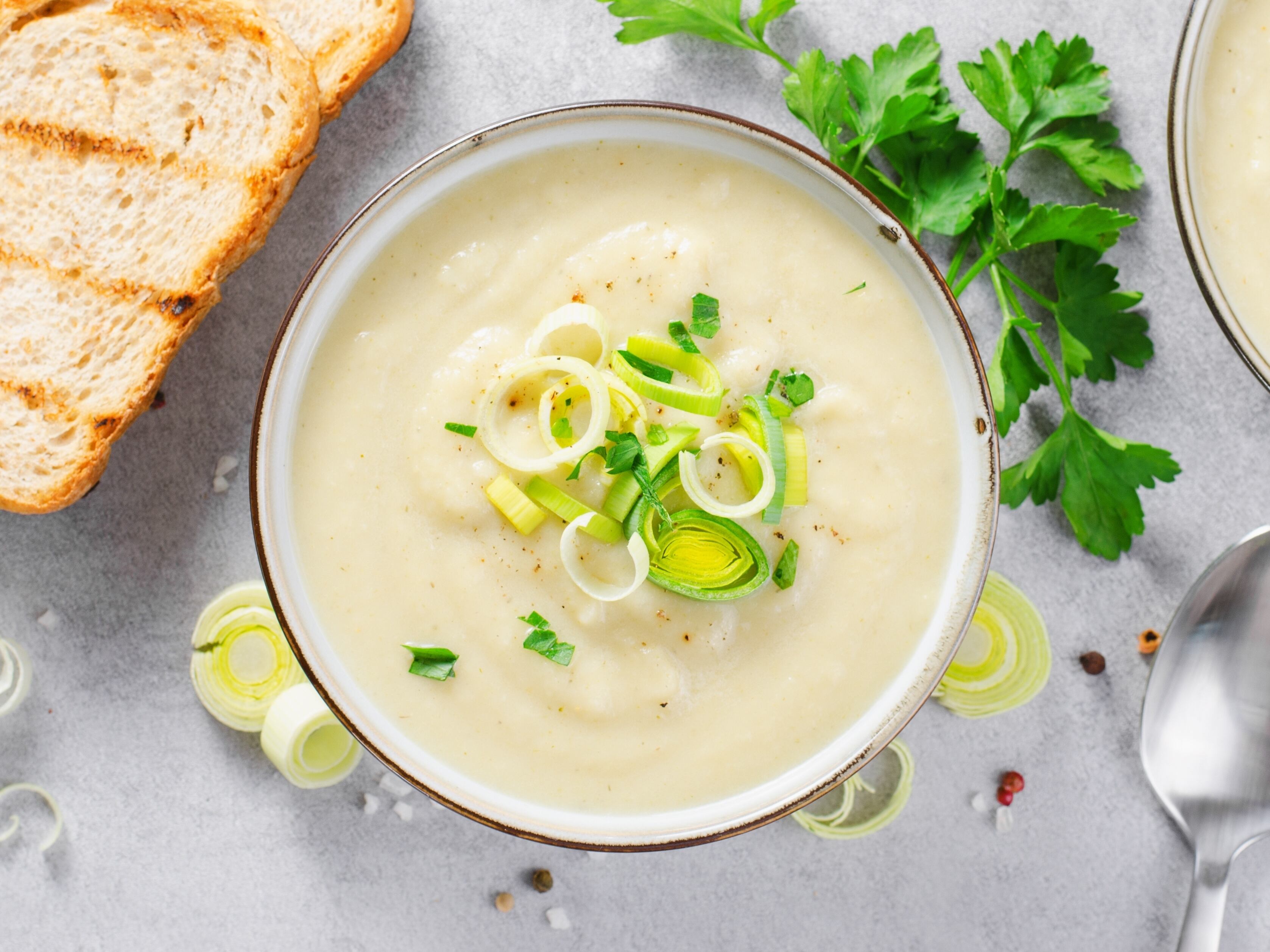
The leek, a long, green-leafed vegetable, offers a mild flavor and remarkable culinary versatility. Related to onions and garlic, it has been valued since antiquity not only as a food but also as a natural remedy due to its digestive and heart-protective properties. These benefits stem largely from its rich content of vitamins and antioxidants. Belonging to the Liliaceae family, which includes garlic and onions, the leek boasts an ancient history, with origins estimated around 3000 BC in regions near Egypt, Turkey, and Israel. Romans are credited with popularizing it across Europe, particularly in Britain, where it was nicknamed "oriental garlic" and used in stews and key dishes to combat periods of plague and famine. Its cultivation later expanded throughout the continent, gaining renown among healers and alchemists, some of whom attributed magical properties to it.
Domestically, leeks can be stored for two to three weeks if kept free from mold or rot. This adaptable vegetable suits both cold and hot preparations, appearing in everything from soups and broths to tarts and fillings. Its flavor, while reminiscent of onion, is softer and more delicate, making it ideal for those seeking a less invasive taste to complement meats, fish, pasta, or legumes. When caramelized during cooking, leeks develop a sweet, aromatic quality highly prized by chefs and gourmet enthusiasts.
The folate, in particular, decreases homocysteine levels, a risk factor for cardiac events and strokes.
Leeks are a good source of essential nutrients and compounds, including proteins, fiber, folates, vitamin C, and B6. While water is their primary component, dietary fiber and folates are also abundant. Folates are crucial for healthy cell growth and function. Nutrition specialist Liliana Papalia highlights that leeks' potassium, folate, and antioxidant content help regulate blood pressure, reduce bad cholesterol, and protect blood vessel integrity. Folate, in particular, is noted for decreasing homocysteine levels, a risk factor for heart events and strokes. Furthermore, with only 40-50 calories per 100 grams, leeks are a low-calorie food, further enhanced by their high water content and moderate carbohydrate levels, as stated by the Spanish Nutrition Foundation.
Water is the main component of leeks, which, combined with its low carbohydrate content, makes it a food with little caloric contribution.
DistantNews Editorial
Originally published by La Nación in Spanish. Translated, summarized, and contextualized by our editorial team with added local perspective. Read our editorial standards.
More Stories



From Our Blog

What Gets Lost (and Found) When News Is Translated

The Critical Role of Diaspora Media in Global News

What Travellers Should Know About Countries with Restricted Press

A Digital Nomad's Guide to Following Local News

How the Same Story Looks Different in Different Countries
