


Greenbelt Easing to Supply 100,000 Homes; Effectiveness Questioned as Gangnam, Yongsan Excluded
Translated from Korean, summarized and contextualized by DistantNews.
At a glance
News
Sources not specified
New plan
- The South Korean government announced plans to supply 230,000 new homes in the Seoul metropolitan area by 2030, including 100,000 by developing greenbelt zones.
- Key areas like Gangnam and Yongsan in Seoul were excluded from the initial plans, raising concerns about the effectiveness of the measures.
- The government aims to expedite construction timelines, reducing the period from announcement to groundbreaking to 37 months, but faces challenges with land compensation and resident negotiations.
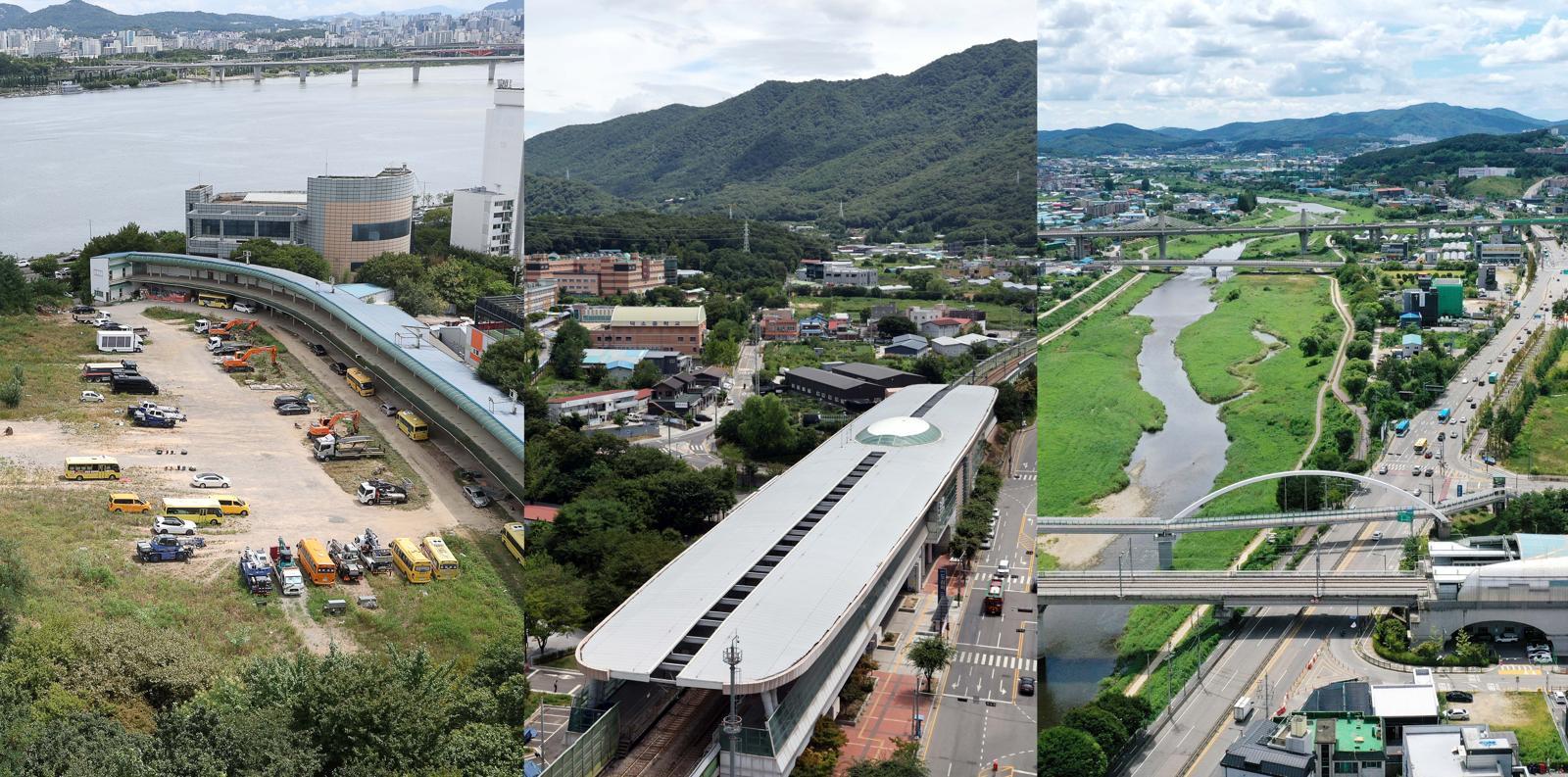
South Korea's government unveiled a housing supply plan aiming to provide at least 230,000 new homes in the Seoul metropolitan area by 2030, with 100,000 units to be created through the development of greenbelt zones. The initial phase will focus on three sites, including Yumchang Park in Seoul's Gangseo District, and areas in Namyangju and Gwangju in Gyeonggi Province, totaling 27,000 homes. An additional 73,000 units are planned for announcement later this year.
However, the exclusion of prime Seoul locations such as Gangnam and Yongsan from the initial greenbelt development has drawn criticism. The confirmed housing supply within Seoul itself is limited to 1,000 units at Yumchang Park, leading to concerns that the measures may not sufficiently address the capital's housing supply instability. Previously, greenbelt areas in Gangnam, Segok-dong, Naegok-dong, and near Olympic Park were considered strong candidates for development.
The Seoul Metropolitan Government has expressed its principled opposition to lifting greenbelt restrictions, stating, "Lifting the greenbelt is fundamentally difficult to accept." This stance complicates the government's efforts to secure desirable development sites within Seoul for the planned additional housing.
To accelerate construction, the government intends to streamline procedures, reducing the typical 68-month timeline from announcement to groundbreaking to 37 months. This involves shortening district designation and environmental impact assessment periods. Despite these efforts, significant hurdles remain, including land compensation negotiations and securing resident agreements. Experts emphasize that the policy's success hinges not just on the number of homes but on the speed and location of their delivery, particularly in areas of high demand within Seoul.
Lifting the greenbelt is fundamentally difficult to accept.
DistantNews Editorial
Originally published by Dong-A Ilbo in Korean. Translated, summarized, and contextualized by our editorial team with added local perspective. Read our editorial standards.
More Stories



From Our Blog

What Gets Lost (and Found) When News Is Translated

The Critical Role of Diaspora Media in Global News

What Travellers Should Know About Countries with Restricted Press

A Digital Nomad's Guide to Following Local News

How the Same Story Looks Different in Different Countries
