

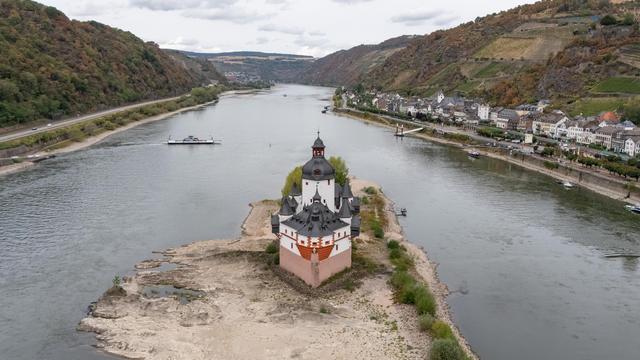

Groundwater: Germany’s reserves are shrinking sharply
Translated from German and summarized by DistantNews. Read the original for the full story.
At a glance
Analysis
Documents & data
Context piece
- Groundwater levels in Germany are unusually low, with about 4,400 monitoring stations showing low levels in early August.
- Researchers warn that drought conditions resemble the extreme years of 2018 and 2019, and more than half of monitored sites may still have very little water by late October.
- New research indicates that Germany is losing groundwater over the long term, despite having enough water in absolute terms.
Germany’s groundwater levels are rarely as low as they are now. Around 4,400 monitoring stations already showed declining levels at the beginning of August, and the forecast for early September points to an even more serious picture.
The effects of this drought recall the extreme years of 2018 and 2019. More than half of the monitored sites are expected to contain very little water even at the end of October.
Researchers warn that the immediate situation is troubling, but the long-term trend is even more concerning: Germany is losing groundwater. The country has enough water overall, yet the question is increasingly where future supplies will come from and whether existing reserves are being used too wastefully.
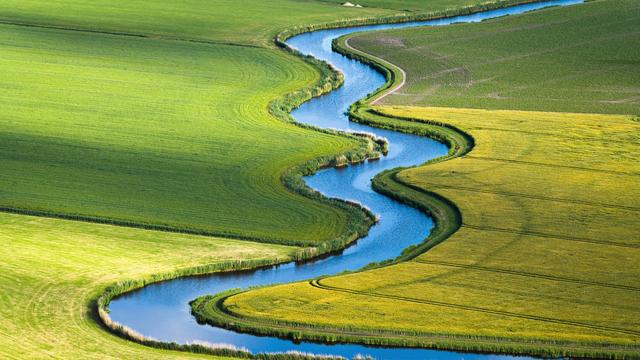
For decades, Germany treated excess water as a problem to be removed. People dug drainage ditches through wet landscapes to turn them into farmland, straightened rivers and drained floodplains, and pumped vast quantities of groundwater into marshes and rivers to support coal extraction in open-pit mines and underground workings.
This summer shows how far the country has moved from that earlier concern. The issue is no longer how to get rid of too much water, but how to protect what remains.
About this summary
Originally published by Die Zeit in German. Translated, summarized, and contextualized automatically by DistantNews, with a note on how the source frames the story. Not individually reviewed before publishing. How this works.
More Stories
From Our Blog

News in Translation: What Gets Lost, and How We Keep the Framing

The Same Story, Different Countries: How Coverage Changes at the Border

Diaspora Media: How Communities Abroad Follow Home

Traveling Where the Press Is Not Free: How to Read the News There

The Digital Nomad's Guide to Local News
