


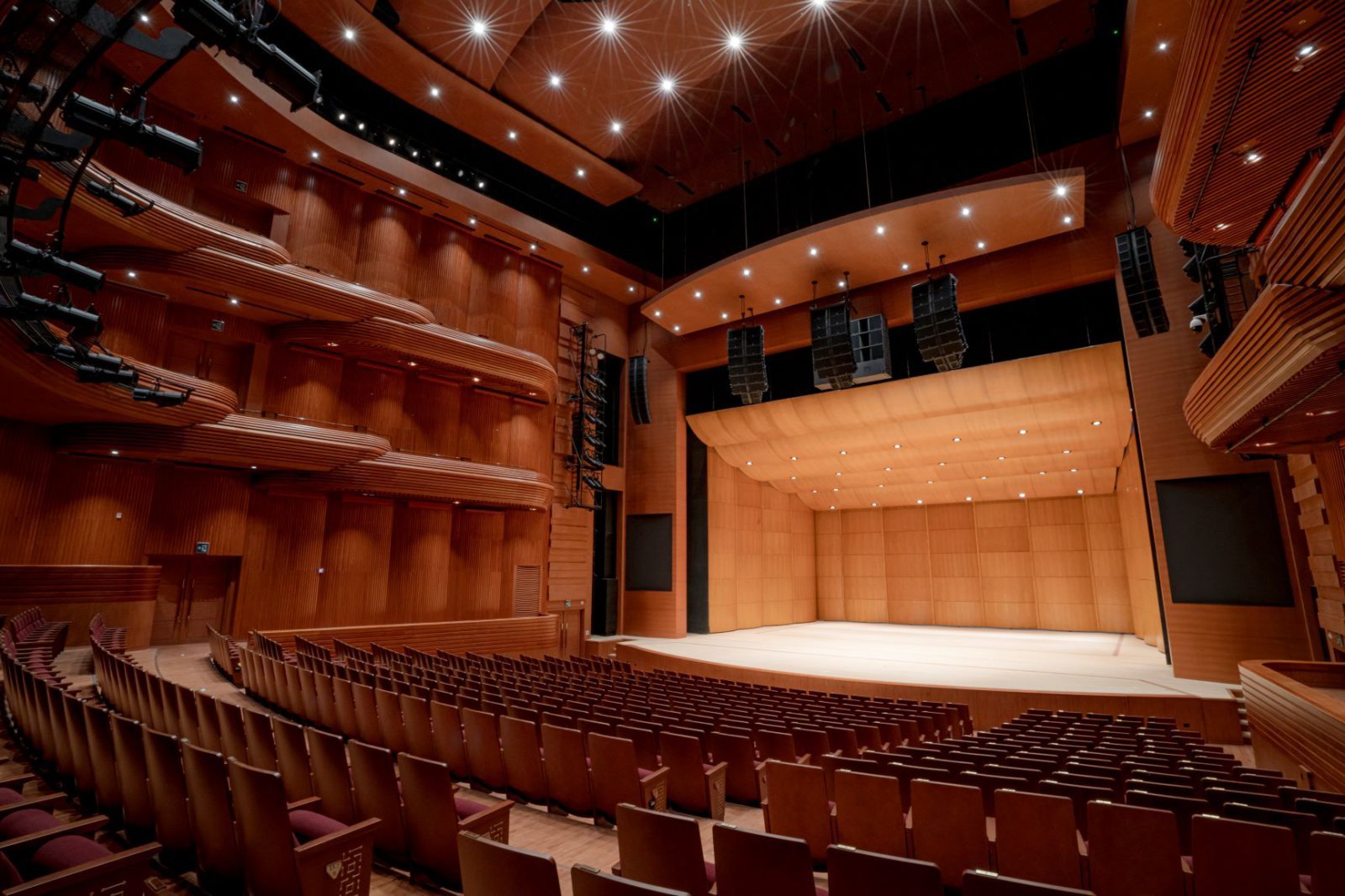
Growing Fandom in South Korea's Performing Arts Scene Sparks Both Excitement and Concern
Translated from Korean, summarized and contextualized by DistantNews.
At a glance
News
Named sources
Context piece
- A growing fandom among 20- to 30-year-olds is boosting attendance and expanding the market for performing arts in South Korea.
- Fans actively support artists through social media, events, and information sharing.
- While generally positive, concerns exist about excessive fan behavior and privacy invasion, prompting calls for a more mature fan culture.
A vibrant fan culture is increasingly energizing South Korea's performing arts scene, particularly drawing in audiences in their 20s and 30s. This influx of younger fans is not only expanding the audience base but also broadening the market for various artistic disciplines, from traditional Korean music and dance to theater.
They say they'll stop being fans when they get married.
These dedicated fans are actively promoting artists and their works. They organize support events, share performance information on social media, and create a buzz that helps introduce new audiences to the arts. A representative from the National Theater noted that many who initially had little interest in traditional arts now seek out multiple performances after discovering a single show through this fan engagement. This trend is seen as a positive catalyst for the performing arts community.
Young audience influx is a positive change for the performing arts.
However, the burgeoning fan culture also presents challenges. Some artists and industry professionals express concern over the blurring lines between support and intrusion. "They say they'll stop being fans when they get married," one artistic director quipped, recalling instances where fans lingered near practice spaces. While most fan behavior is described as mature, there are occasional cases of excessive access and curiosity about artists' private lives, including attempts to track their movements via social media.
There are cases where some fans want to know about the artist's personal relationships and daily life.
Industry insiders emphasize the need for a balanced approach, acknowledging the benefits of fan support while setting boundaries. Unlike mainstream pop stars, performing artists often lack dedicated management teams, leading to more direct interactions with fans. This environment necessitates a collective effort to foster a fan culture that is both supportive and respectful of personal privacy, ensuring that enthusiasm does not become a burden or surveillance.
We hope for a mature fan culture where support and interest do not become a burden or surveillance.
DistantNews Editorial
Originally published by Dong-A Ilbo in Korean. Translated, summarized, and contextualized by our editorial team with added local perspective. Read our editorial standards.
More Stories

From Our Blog

What Gets Lost (and Found) When News Is Translated

The Critical Role of Diaspora Media in Global News

What Travellers Should Know About Countries with Restricted Press

A Digital Nomad's Guide to Following Local News

How the Same Story Looks Different in Different Countries
