


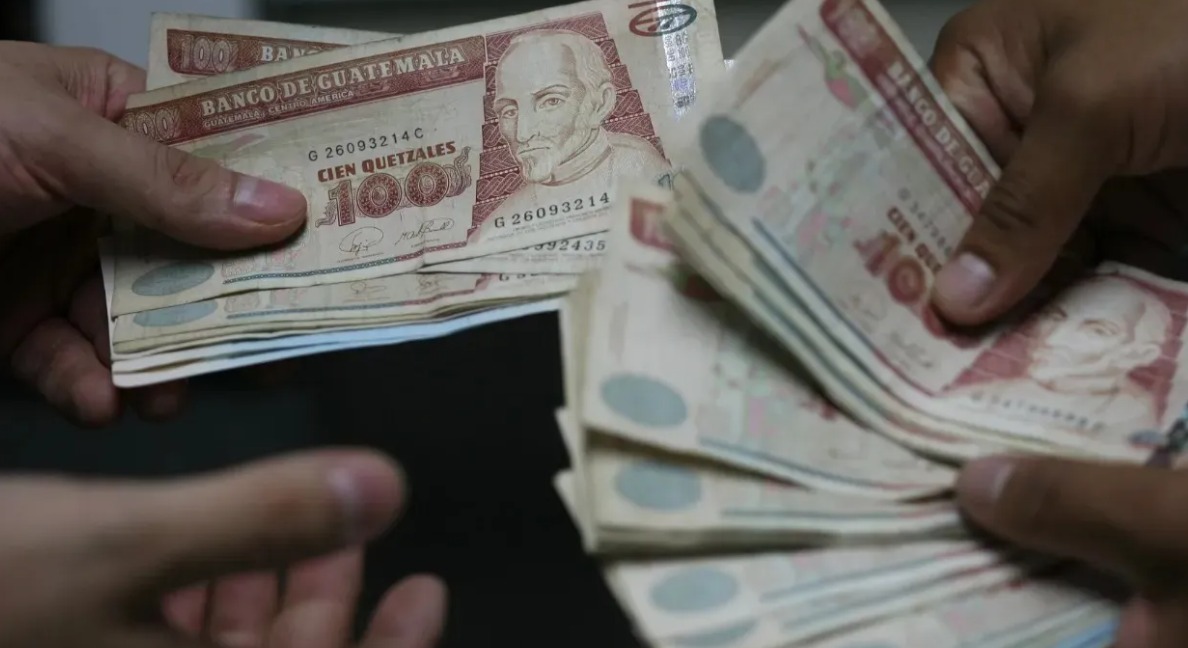
Guatemala Approves New Law to Combat Money Laundering and Terrorism Financing
Translated from Spanish, summarized and contextualized by DistantNews.
At a glance
News
Named sources
Approved/passed
- Guatemala's Congress approved a new comprehensive law to combat money laundering and terrorism financing, replacing a two-decade-old framework.
- The law aligns with stricter international standards and expands oversight to new sectors and professionals.
- Penalties include prison sentences of six to 20 years, fines, asset seizure, and asset forfeiture.
Guatemala's Congress has enacted a new Comprehensive Law for the Prevention and Repression of Money Laundering or Other Assets and Terrorism Financing, replacing legislation that had been in place for over twenty years. This move aims to align the country's legal framework with more demanding international standards.
The new legislation consolidates rules for prevention, control, and investigation of these financial crimes into a single legal document. It broadens the scope of supervised sectors and activities, while also strengthening mechanisms for international cooperation, precautionary measures, asset seizure, and the prosecution of illicit financing.
A significant change involves expanding the list of entities and individuals obligated to report suspicious transactions. This now includes real estate agents, dealers of vehicles, jewelry, and art, as well as professionals such as lawyers, accountants, and auditors when they engage in specific transactions. The law also refines the treatment of Politically Exposed Persons (PEPs), limiting its application to close family members and direct associates.
This legislative update comes amid international pressure for Guatemala to bolster its financial controls and modernize regulations against evolving methods of illicit money movement. The country's financial system will be evaluated in 2027 by the Financial Action Task Force of Latin America (GAFILAT), where the updated legal framework is considered crucial to avoid scrutiny.
Money laundering, defined as the process of concealing the illicit origins of resources to integrate them into the formal economy, poses a significant threat to financial systems and public institutions. Under the new law, offenders face prison sentences ranging from six to 20 years, substantial fines, asset confiscation, account freezes, property embargoes, and asset forfeiture proceedings.
DistantNews Editorial
Originally published by Prensa Libre in Spanish. Translated, summarized, and contextualized by our editorial team with added local perspective. Read our editorial standards.
More Stories


From Our Blog

What Gets Lost (and Found) When News Is Translated

The Critical Role of Diaspora Media in Global News

What Travellers Should Know About Countries with Restricted Press

A Digital Nomad's Guide to Following Local News

How the Same Story Looks Different in Different Countries
