


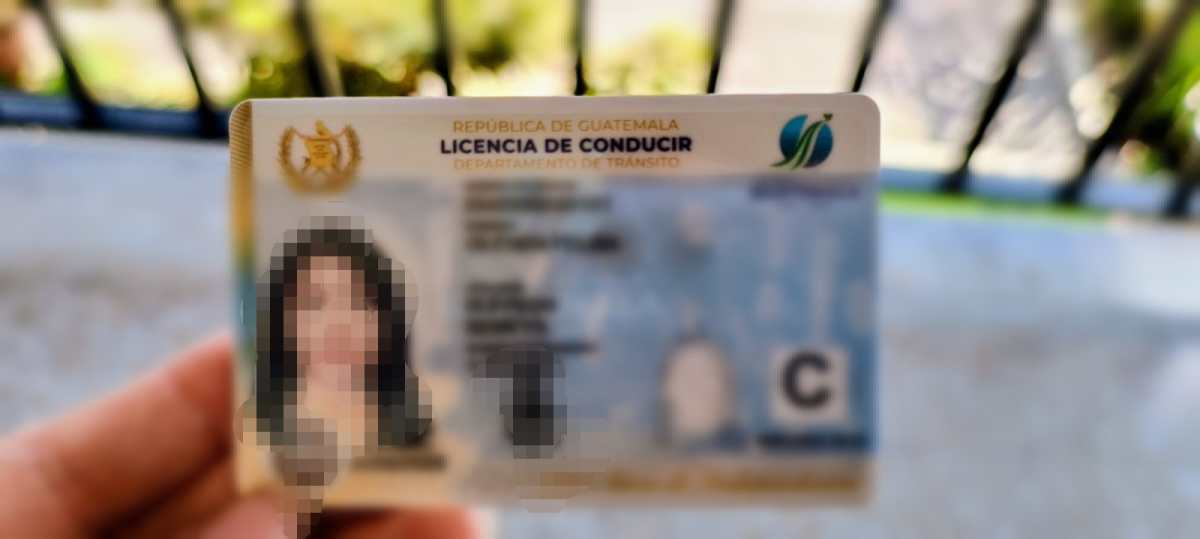
Guatemala driver's license renewal: 3 keys to avoid fines
Translated from Spanish, summarized and contextualized by DistantNews.
At a glance
News
Sources not specified
Context piece
- Drivers in Guatemala must understand specific rules for renewing their driver's licenses to avoid fines and extra costs.
- Renewing before or on the expiration date limits the license validity to three years, while a five-year renewal requires waiting until the day after expiration.
- A 30-day grace period offered by Maycom for administrative renewal does not exempt drivers from traffic fines for using an expired license.
Renewing a driver's license in Guatemala involves several administrative details that can lead to unexpected fines and delays. Understanding these nuances can help drivers save money and avoid hassle.
One key point is the timing of the renewal. If a license is renewed on or before its expiration date, which typically falls on the driver's birthday, the validity is capped at three years. To obtain the maximum five-year validity, drivers must wait until the day after their license expires to begin the renewal process. This distinction is crucial for those seeking the longest possible license term.
Another common point of confusion involves the 30-day grace period offered by Maycom, the licensing authority, for administrative renewals without a surcharge. While this period allows drivers to renew without an extra fee, it does not negate traffic regulations. According to Dalia Santos, spokesperson for the Municipal Transit Police of Villa Nueva, the transit regulations consider a license expired the day after its official expiration date. Drivers caught with an expired license face a Q300 fine.
Santos warns against confusing Maycom's administrative grace period with permission to continue driving. She advises drivers not to rely on this margin and to plan their renewals accordingly. For those who choose to wait for the five-year renewal option, it is recommended to avoid driving during that period and seek alternative transportation to prevent potential fines.
DistantNews Editorial
Originally published by Prensa Libre in Spanish. Translated, summarized, and contextualized by our editorial team with added local perspective. Read our editorial standards.
More Stories



From Our Blog

What Gets Lost (and Found) When News Is Translated

The Critical Role of Diaspora Media in Global News

What Travellers Should Know About Countries with Restricted Press

A Digital Nomad's Guide to Following Local News

How the Same Story Looks Different in Different Countries
