


Guatemala Ministry to Cut Fertilizer Purchases in 2027, Prioritizing General Agricultural Inputs
Translated from Spanish, summarized and contextualized by DistantNews.
At a glance
News
Sources not specified
New plan
- Guatemala's Ministry of Agriculture, Livestock, and Food (Maga) will not purchase fertilizers in its 2027 budget but plans Q100 million for general agricultural inputs.
- This marks the second consecutive year Maga excludes fertilizer purchases, following a similar decision for the 2026 budget.
- Lawmakers expressed concern that this decision could impact agricultural productivity and food security, advocating for the inclusion of chemical fertilizers.
Guatemala's Ministry of Agriculture, Livestock, and Food (Maga) has announced it will not allocate funds for fertilizer purchases in its 2027 budget. Instead, the ministry plans to dedicate Q100 million towards general agricultural inputs, allowing farmers to choose the specific products they deem necessary for their crops. This decision marks the second consecutive year Maga excludes direct fertilizer procurement, following a similar omission in the 2026 budget.
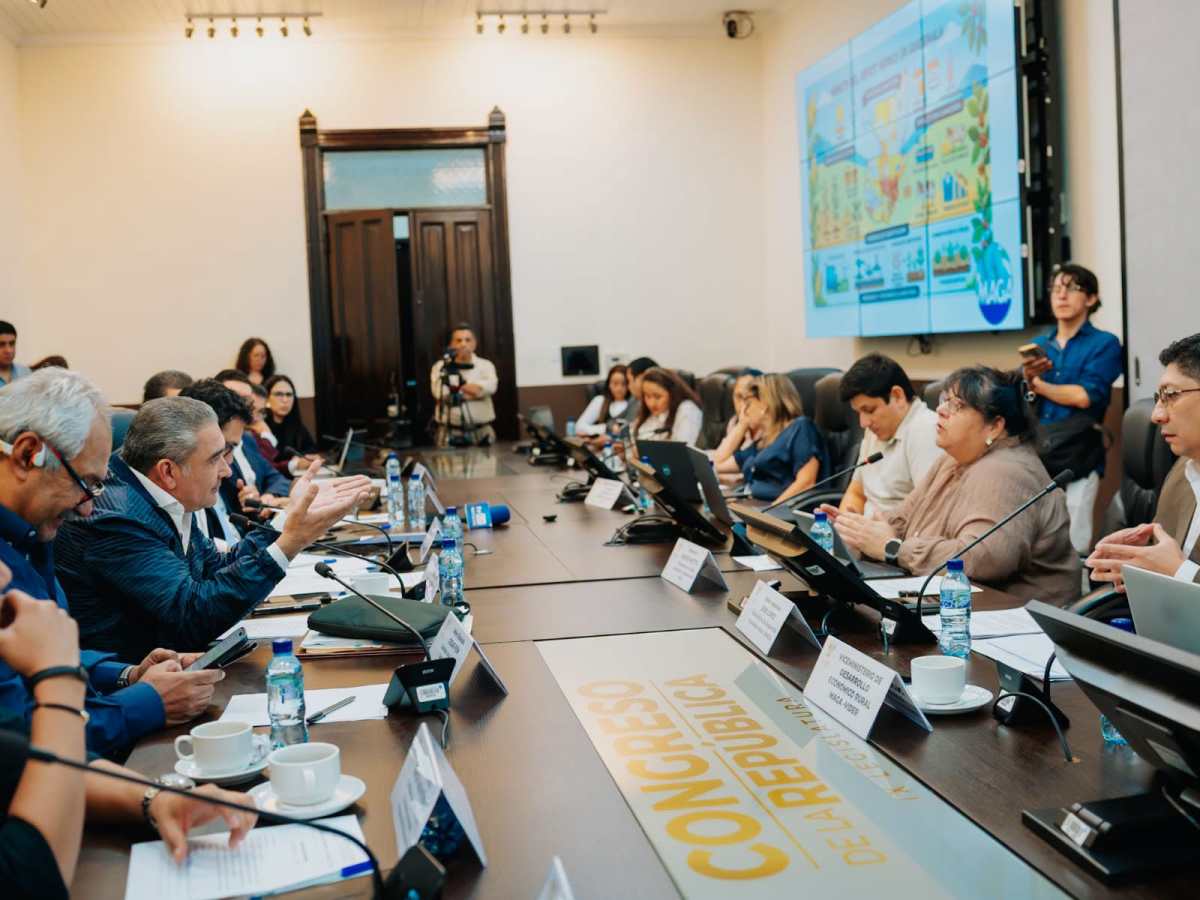
This move has drawn criticism from members of Congress. During a July 8 session with the Agriculture, Livestock, and Fisheries Commission, Deputy Minister of Rural Economic Development José Antonio López Leonardo defended the ministry's stance. However, deputies argued that excluding fertilizers would negatively affect agricultural productivity and potentially exacerbate food insecurity. They pointed out that while bio-inputs are a long-term strategy, farmers currently require chemical fertilizers to boost yields.
You have plans, it's fine to look to the future and move away from dependence on normal fertilizer, but hunger is today. It is necessary to include the purchase in the 2027 budget; if not, the Agriculture Commission will do it. When the National Budget is approved as law, it will not be a suggestion but an order from Congress.
Deputies highlighted the nation's reliance on imported white corn, a staple food, and stressed the importance of domestic production. They believe that access to fertilizers is fundamental for achieving self-sufficiency in key crops like corn and beans. The commission has indicated it may intervene to include fertilizer purchases in the budget if Maga does not reconsider.
Furthermore, the ministry noted that global factors, such as the conflict in the Strait of Hormuz, have impacted fertilizer availability and increased prices, affecting even donations. Maga's strategy focuses on promoting bio-inputs and bio-factories, which they argue can improve soil structure without directly competing with chemical fertilizers. However, the risk of input scarcity persists for 2027, prompting the ministry to consider providing farmers with a "coupon" for agricultural inputs.
We are reaching 40% of white corn for human consumption from foreign production, and we should be producing our own grain. We should strive so that, at least in the case of corn and beans, we do not depend on imports, and fertilizer is fundamental in the territory for that.
DistantNews Editorial
Originally published by Prensa Libre in Spanish. Translated, summarized, and contextualized by our editorial team with added local perspective. Read our editorial standards.
More Stories


From Our Blog

What Gets Lost (and Found) When News Is Translated

The Critical Role of Diaspora Media in Global News

What Travellers Should Know About Countries with Restricted Press

A Digital Nomad's Guide to Following Local News

How the Same Story Looks Different in Different Countries
