


Guatemala Police to Prioritize High-Crime Departments for New Recruits
Translated from Spanish and summarized by DistantNews. Read the original for the full story.
At a glance
News
Named sources
New plan
- Guatemala’s National Civil Police plans to graduate about 3,000 officers on Sept. 9 and reinforce units in areas with high crime rates.
- Director David Boteo said priority areas include Guatemala department, Escuintla, Petén, Chimaltenango, El Progreso, Chiquimula and Santa Rosa.
- Boteo said the force has detained 709 people linked to gangs, but only four have been charged with terrorism.
Guatemala’s National Civil Police is preparing to add about 3,000 officers to its ranks on Sept. 9, with deployments focused on departments facing high crime levels.
Police Director David Boteo said Guatemala department would receive priority, including the police station responsible for Villa Canales, Villa Nueva, Amatitlán, Bárcenas and Zone 18. Escuintla, which ranks second in criminal incidence, will also receive additional officers.
Boteo listed Petén, Chimaltenango, El Progreso, Chiquimula and Santa Rosa among the other priority departments. He linked the highest homicide levels in those areas to incidents involving retail drug dealing and gangs.
Boteo said the recruits graduating soon have the equipment they need to work, although the police have begun a procurement process for firearms for the class planned for 2027. He described Guatemala’s Anti-Gang Law as “a light on the road,” but said the absence of a maximum-security prison limits the authorities’ ability to deter gang activity.
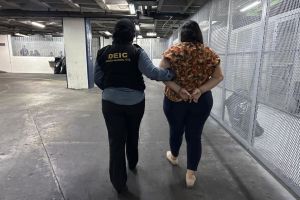
The police have arrested 709 people linked to gangs based on tattoos and other criteria in the law, according to Boteo. Only four have been charged with terrorism. He also reported increased arrests involving teenagers accused of conflicts with the criminal law.
a light on the road
About this summary
Originally published by La Hora in Spanish. Translated, summarized, and contextualized automatically by DistantNews, with a note on how the source frames the story. Not individually reviewed before publishing. How this works.
More Stories


From Our Blog

What Gets Lost (and Found) When News Is Translated

The Critical Role of Diaspora Media in Global News

What Travellers Should Know About Countries with Restricted Press

A Digital Nomad's Guide to Following Local News

How the Same Story Looks Different in Different Countries
