


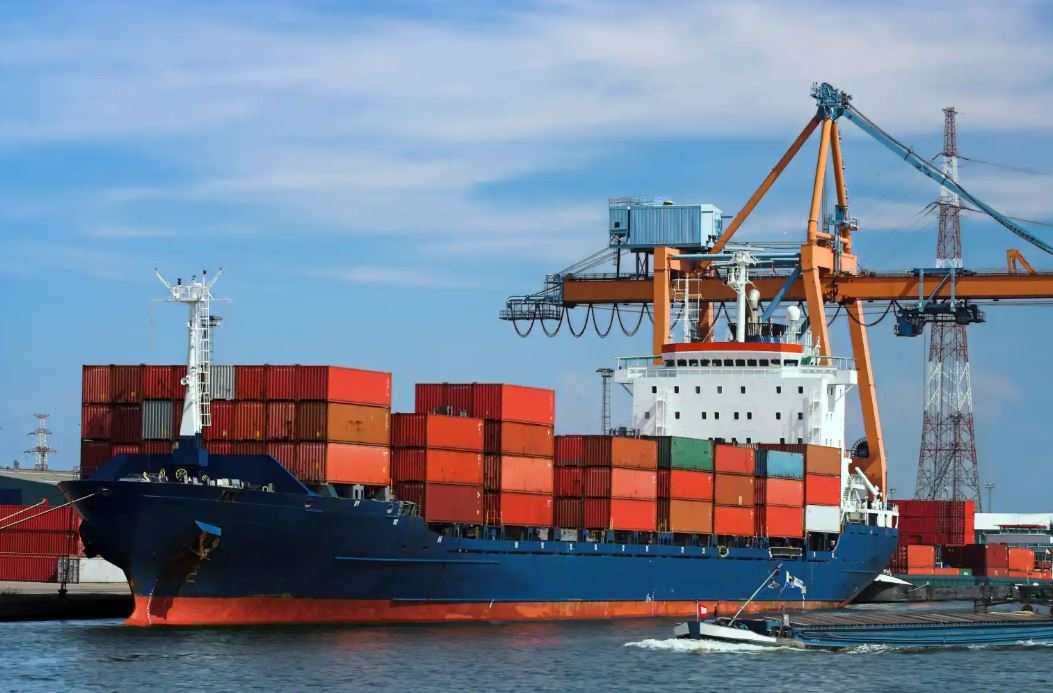
Guatemala responds to U.S. forced labor probe, seeks to avert tariffs
Translated from Spanish, summarized and contextualized by DistantNews.
At a glance
News
Official statement
Context piece
- Guatemala has presented its position to the U.S. Trade Representative's office regarding an investigation into forced labor imports.
- The country created an agreement to prohibit goods produced through forced labor, set to take effect soon.
- Guatemala aims to avoid U.S. tariffs proposed due to non-compliance with measures against forced labor imports.
Guatemala has formally responded to a U.S. investigation into imports produced by forced labor, submitting its position to the Section 301 Committee of the U.S. Trade Representative's Office (USTR). The Ministry of Economy (Mineco) announced that Guatemala will also participate in a public hearing scheduled for July 7, 2026, in Washington, D.C.
In parallel, Guatemala has enacted an agreement to prohibit goods produced through forced or compulsory labor. This agreement, comprising 10 articles, was published on July 6, 2026, in the Diario de Centro América via Ministerial Agreement 377-2026. It will become effective 30 business days after its publication in the official gazette.
This move fulfills a binding commitment Guatemala made on January 30, 2026, by signing a Reciprocal Trade Agreement with the United States. The agreement mandates the effective adoption and application of a ban on imports of goods extracted, produced, or manufactured wholly or partly by forced or compulsory labor.
These actions are part of Guatemala's strategy to prevent the imposition of new tariffs. The USTR had proposed tariffs on June 2 for goods from 60 economies, including Guatemala, citing non-compliance with measures against imports produced through forced labor practices. The USTR's proposal includes a general tariff of 10% to 12.5% on imports from the investigated economies, potentially replacing temporary 10% tariffs set to expire on July 24.
Mineco confirmed on July 3 that Guatemala had submitted its comments to the USTR and is formally addressing the investigation within the established deadlines. The ministry highlighted Guatemala's binding commitment under the Reciprocal Trade Agreement. Guatemala will participate in the July 7 USTR hearing as part of a regional panel, though specific details of its presentation were not disclosed. The Ministerial Agreement 377-2026 establishes Guatemala's first specific framework for prohibiting such imports, regardless of their origin.
DistantNews Editorial
Originally published by Prensa Libre in Spanish. Translated, summarized, and contextualized by our editorial team with added local perspective. Read our editorial standards.
More Stories

From Our Blog

What Gets Lost (and Found) When News Is Translated

The Critical Role of Diaspora Media in Global News

What Travellers Should Know About Countries with Restricted Press

A Digital Nomad's Guide to Following Local News

How the Same Story Looks Different in Different Countries
